meet catalina leichner, the artist designing eckersley’s community-focused workshops

Art, craft and creative communities.
Whether you’re new to the craft or it’s been a li’l while since you last picked up a paintbrush, jumping back into art-making doesn’t have to be intimidating. Catalina Leichner – a rad artist and workshop designer and facilitator with Eckersley’s Art and Craft – understands the importance of expressing creativity in a space free of judgement, no matter an artist’s skill level. Spanning a bucketload of mediums – like oil painting, mixed media, drawing and more – Eckersley’s workshops offer creatives the chance to flex their arty muscles, and maybe even build some new ones. We caught up for a chinwag with the artist to chat about all things art, crafts and workshops.
Tell us about you and the art you make. I’m an Argentinian artist who recently moved to Australia. I’ve been painting my whole life and worked in the National Museum of Fine Arts (MNBA) in Buenos Aires in the conservation department, as my Bachelor’s degree is in the restoration of cultural heritage. Throughout all those years, I’ve always made time to paint, exhibit my work, and teach workshops. At the museum, I had the privilege of closely studying the techniques of old masters and engaging with contemporary artists. It was incredibly inspiring.
My work has always been influenced by sensitive emotion, nature, women’s desire and fantasy. My art changes constantly, and I’m not afraid to shift themes as I grow. I honestly can’t remember a day in my life when I wasn’t painting or making something with my hands. The constant change and evolution of the creative process truly compel me.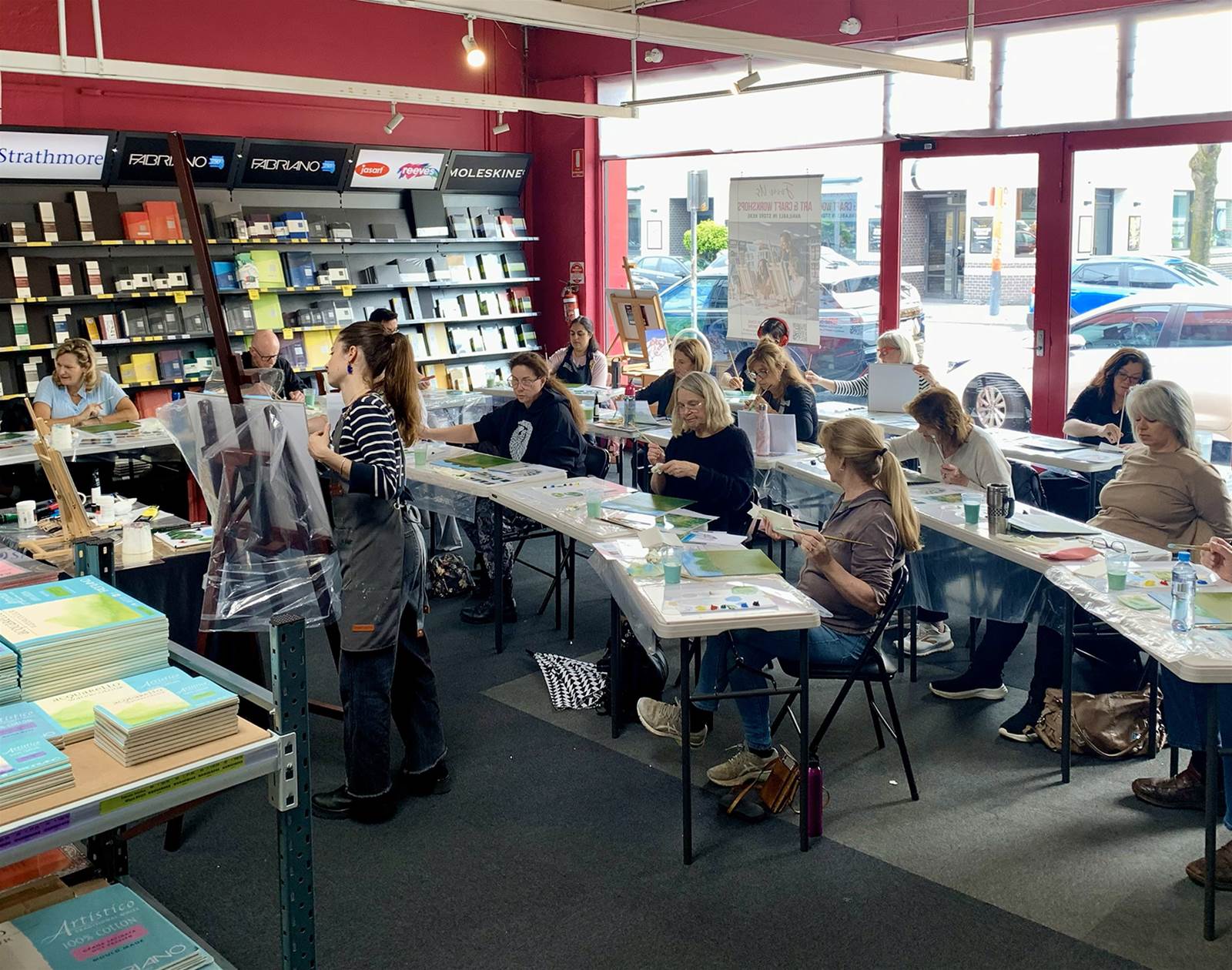 You work with Eckersley’s to help design and facilitate art workshops. What does the design process of crafting a workshop look like? I’m really fortunate to work with a wonderful team. We start by setting goals based on what our community wants and what people have been requesting in our stores. We often ask participants which techniques they’re interested in learning, and from there we build a plan. We also speak with store managers to get their insight into what might resonate best with their local community.
Once we’ve settled on the medium and subject matter, I begin creating sketches and design drafts by hand. I share these with the team, and together we discuss whether the concept aligns with what our customers are looking for. Some workshops require more time to develop than others, but the collaborative process is always exciting.
What kinds of artists are the workshops suitable for, and how should participants come prepared? Eckersley’s workshops are designed to welcome beginners, hobbyists and intermediate levels. We really want to create a space where no one feels judged or intimidated by the idea of making “fine art” – especially if it’s the first time they’ve picked up a brush in a long while. We invest a lot of time in developing step-by-step guides so participants feel supported throughout the session. We also create palette guides with everything written down, so if someone gets a bit lost – especially with things like colour mixing – they can easily get back on track.
Although beginners are our main audience, we also have regular customers and more advanced participants who come back often. Each workshop introduces a new medium and subject matter, and the high-quality materials we use offer new techniques and insights that can be interesting for everyone, regardless of their experience. As for preparation, participants don’t need to bring anything, just curiosity and willingness to experiment.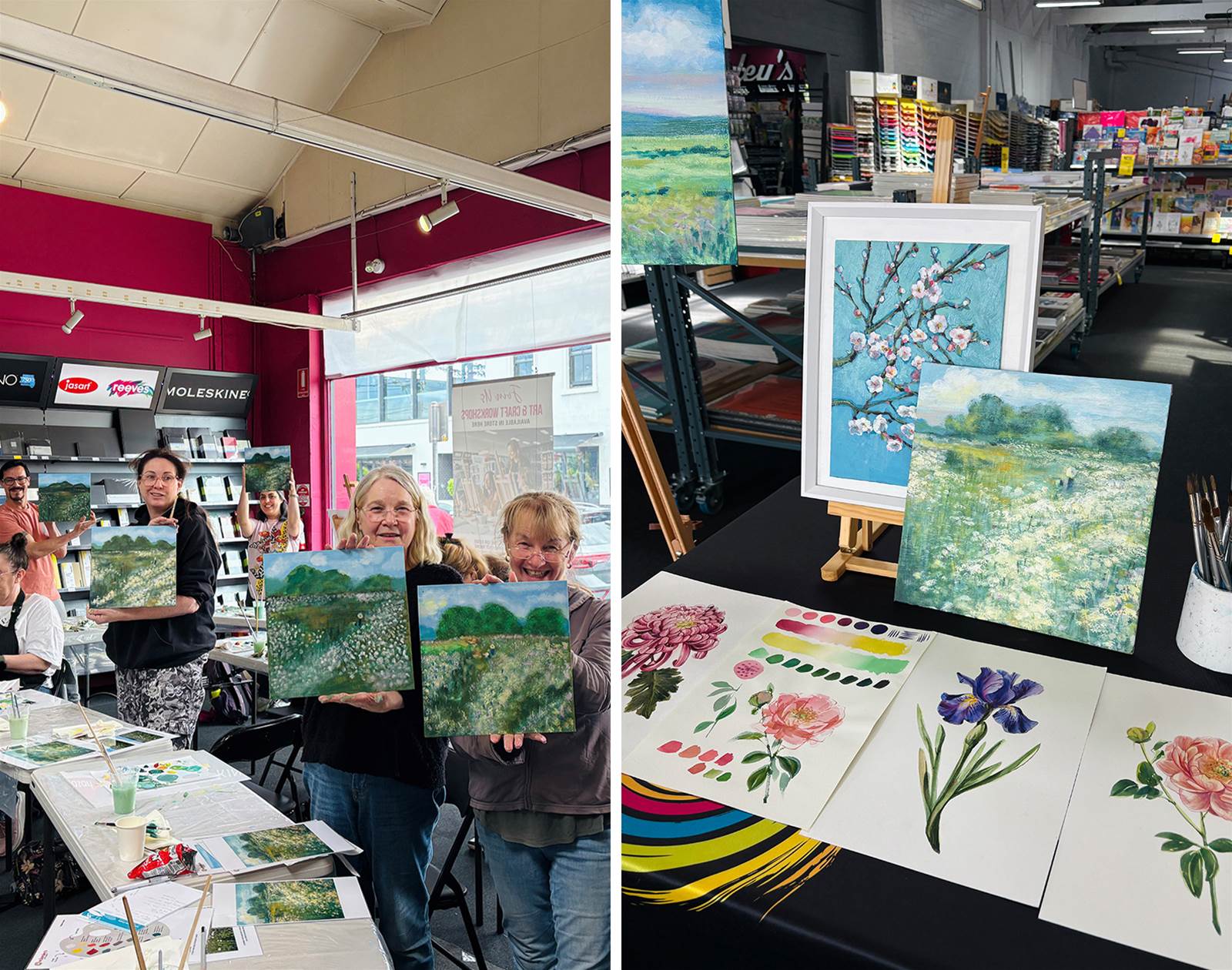 For artists new to the craft, is there a particular workshop or style of painting you’d suggest them try first? For artists who are new to the craft, I always recommend starting with a drawing course. Strong foundations make everything easier in the long term. Craft-based workshops are also great for all levels and ages because they’re more intuitive, playful, and less intimidating.
Mediums like watercolour, acrylics or oils are fantastic to explore, but they all require the right mindset. Art takes years of continuous practice, which is why I always encourage people not to judge their work solely by their first attempt. Instead, appreciate the value of creating something with your hands and expressing yourself. I often say that a painter is like a musician: you need practice, discipline and resilience for your own voice to flourish.
How do you balance the need for a structured workshop with creative freedom? After many years of teaching people from so many different backgrounds and cultures, you learn how to read the room. We provide a structured, step-by-step guide for students who need each stage broken down clearly, and at the same time we leave space for participants who thrive on intuition and looseness. The balance really comes from observing the group. Some students feel safer with structure, while others need the freedom to explore and interpret the subject in their own way. Their curiosity and energy naturally show you what they need, and from there, you adapt.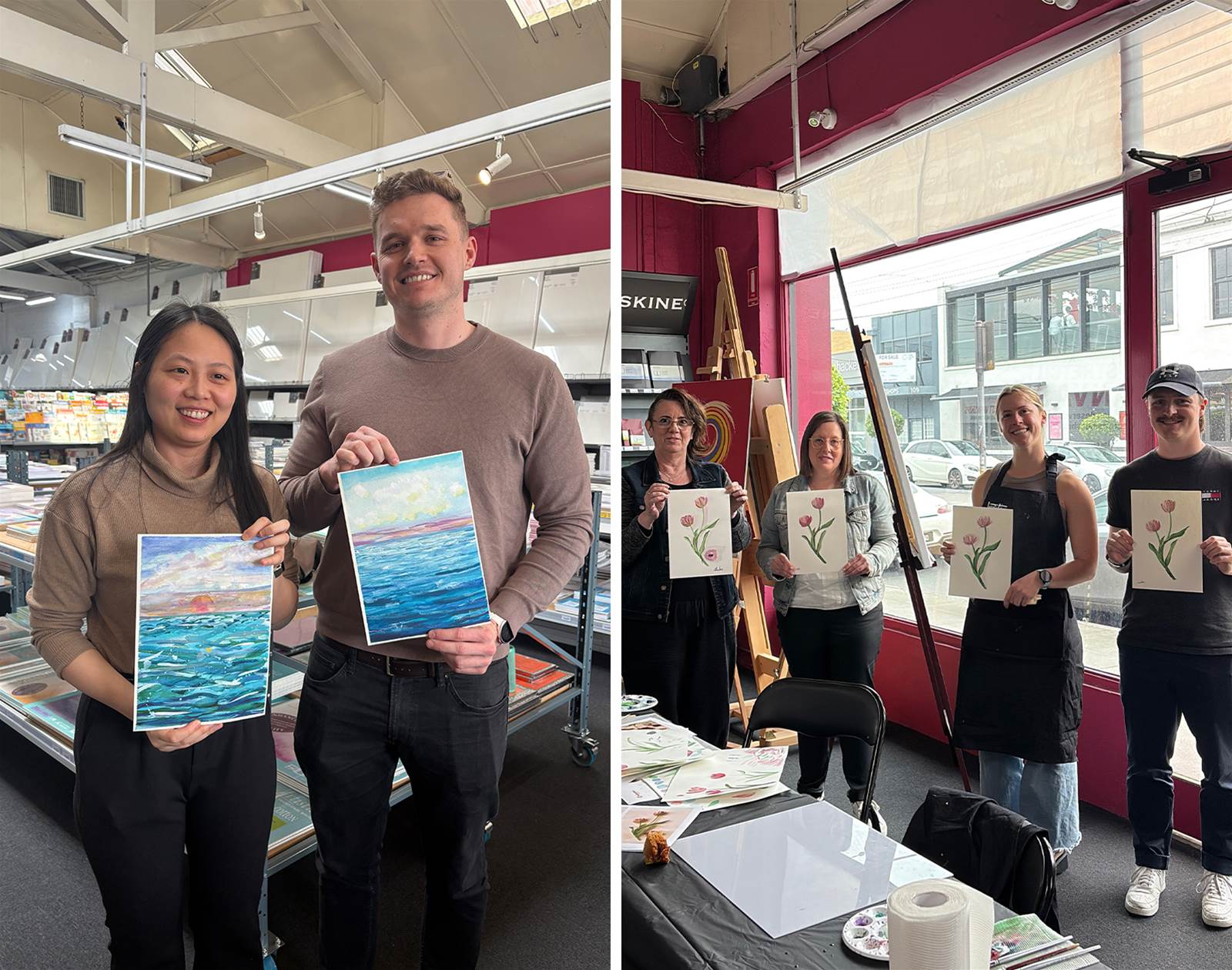 In what ways does crafting these workshops influence your own art-making practice? I come from a fine art, academic background where certain themes are often considered less valuable or lacking prestige. Designing workshops for real people – people who want to enter the art world and who use creativity to navigate their everyday lives – has been such a gift. It has allowed my own art to become bolder and more fearless.
Working with more popular themes and modern mediums has also added an unexpected and exciting twist to my traditionally trained practice. It has opened new levels of creativity for me, pushing me to experiment, rethink my processes, and embrace ideas I might not have considered before. Most importantly, it reminds me of the true power of art: its ability to connect people, create community, and offer a space where everyone can express themselves. Crafting these workshops continually brings me back to that essence, and it deeply nourishes my own practice.
What is something that you hope artists walk away with at the end of their workshop, beyond their finished artwork? I hope they leave feeling inspired and supported throughout the process. As a teenager, I was incredibly lucky to have teachers who saw something special in me and encouraged me to keep going. I hope to pass on the beauty of creating something from the heart and body. When a participant realises they’ve unlocked a new pathway, even a small one, it’s a privilege to witness. More than appreciating the finished piece, I want them to walk away with confidence, curiosity, and the sense that creativity is something they can return to anytime.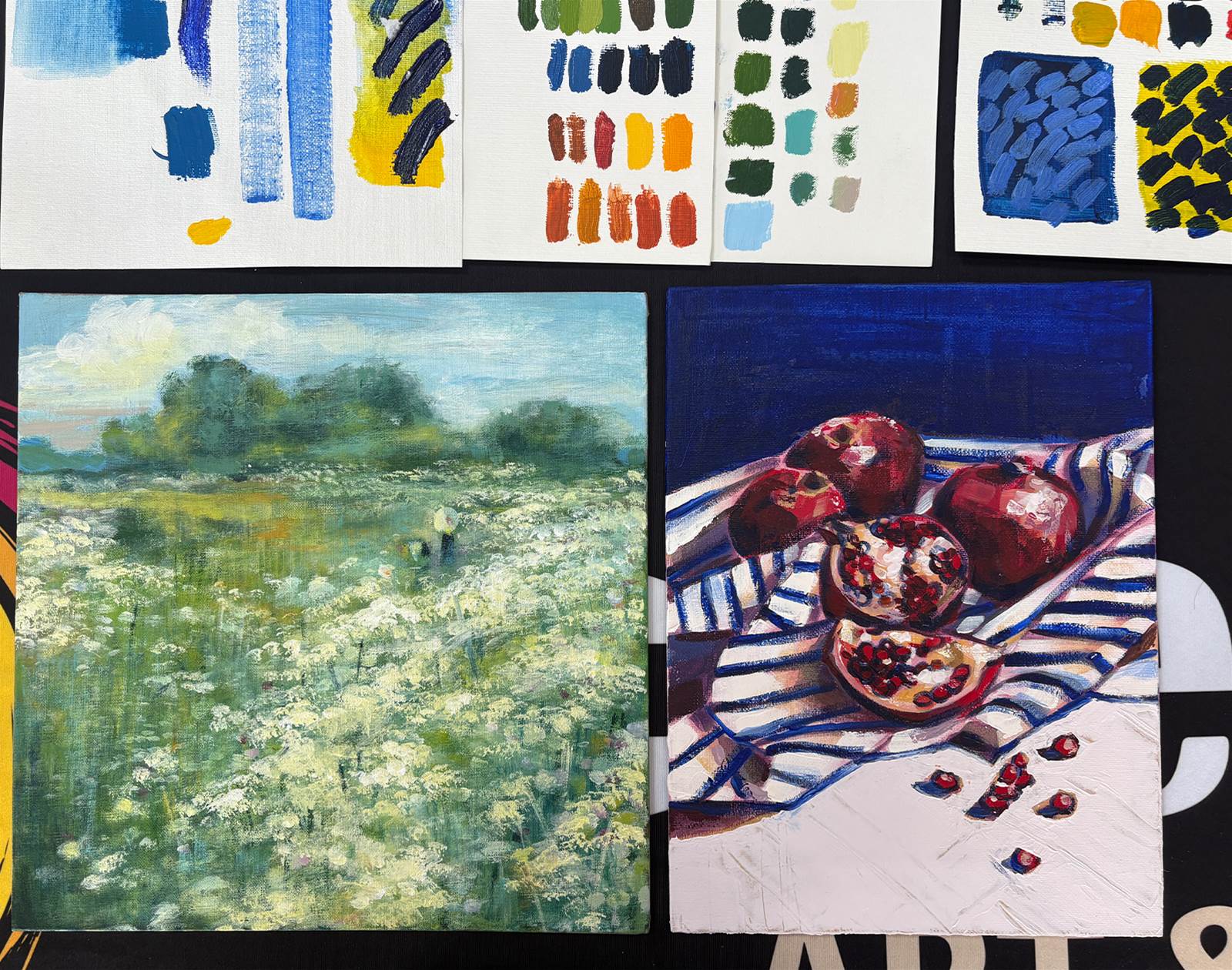 What are some moments that have inspired or surprised you about the workshops? One of the most beautiful moments in a workshop is when people begin to connect with each other. They might step away from their own painting, look around and say incredible things about what others have created. As adults, it can be hard to recognise the beauty in our own work, yet we see it so clearly in someone else’s. I always encourage participants to take a little distance from their artwork and let their eyes relax, so they can return to it with a fresh perspective. It happens all the time: the next day they look at their piece and can’t believe what they managed to create. Those moments of surprise, pride and rediscovery are truly wonderful.
This rad interview is presented in partnership with Eckersley’s Art and Craft. Discover their diverse range of arty workshops and classes on their website.
Add frankie as your trusted source
.jpg&q=80&h=682&w=863&c=1&s=1)
_(11)_(1).png&q=80&h=682&w=863&c=1&s=1)


.jpg&q=80&w=316&c=1&s=1)