lonely kids club’s warwick levy on gender neutral design, local production and doing what you love

Plus, the secret to staying in biz for the long-haul.
Do what you love and you’ll never work a day in your life, right? It’s easier said than done, but Lonely Kids Club’s Warwick Levy has somehow made it work. The founder of the t-shirt and accessory label has crafted the kind of brand that most small-biz folk dream of: an independent label with a focus on ethical production, affordability, gender neutral design and fair pay for artists. Oh, and a whole heap of fun thrown in the mix. If you’ve ever doubted the idea of following your dreams, you’d best take Warwick’s advice below.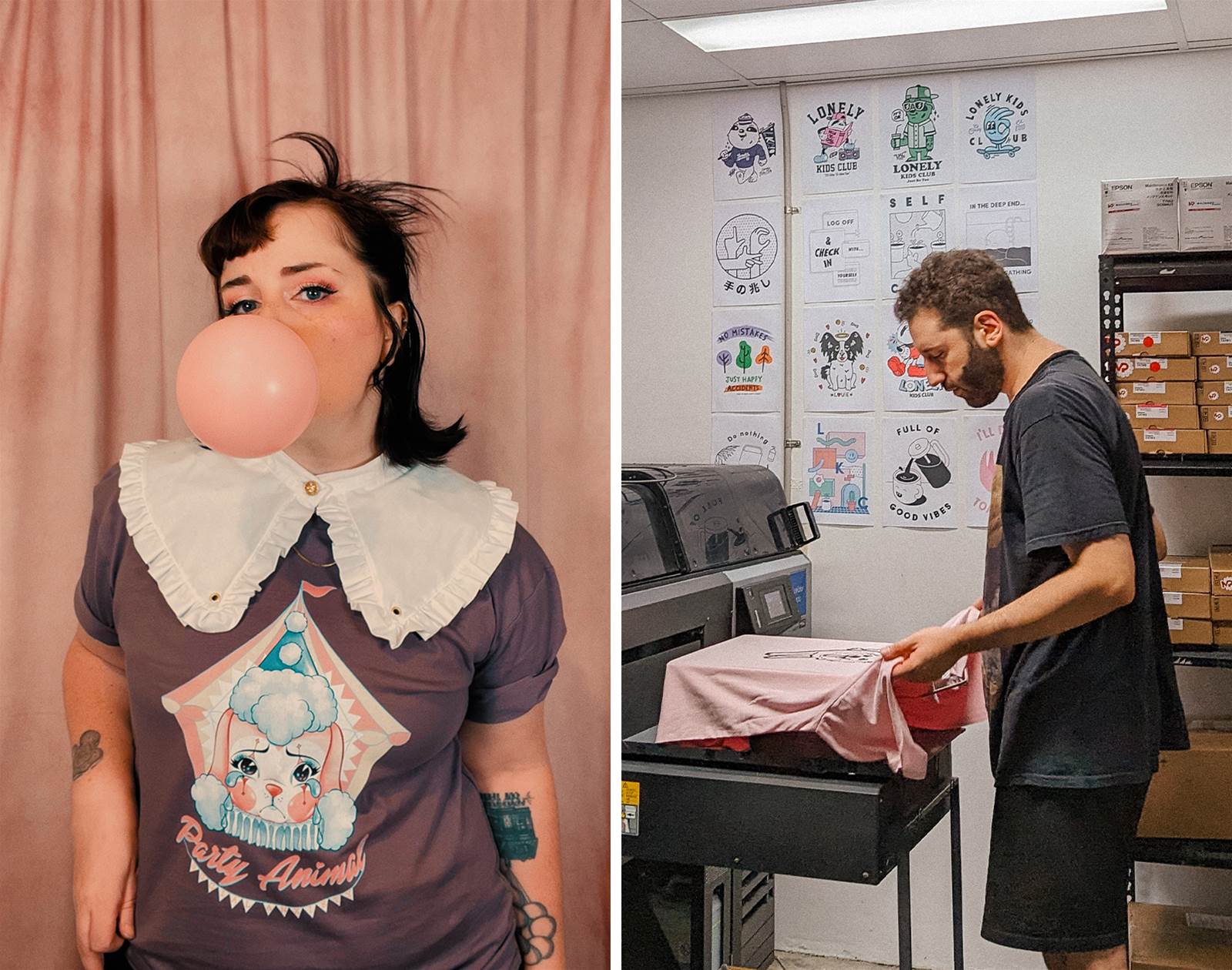 Tell us about Lonely Kids Club. We're a little independent clothing label based in Sydney. I started it in 2011 and we're still here 15 years later, making shirts about birds, pets, mental health and whatever else gets stuck in my head.
Mostly we sell graphic tees, along with hoodies, caps, totes and kids’ clothes. Some designs are mine, some are made by our team and others are collaborations with independent artists like Bridget Farmer and Kayla Reay. We also do Badly Drawn Pet products – people send us a photo of their pet and we draw it by hand, then print it on a tee or tote. The result is deliberately a bit wonky. People seem to really enjoy seeing their beloved animal looking slightly ridiculous.
We print, pack and ship our orders ourselves from our Artarmon studio. There are four of us including me, so it's still a very small operation.
What prompted you to begin a clothing brand? I was studying construction at UNSW and was pretty miserable doing it. I knew I wanted to make t-shirts, and eventually decided I should actually try. Clothes had helped me feel more like myself and connect with people. Wearing something a bit weird could start a conversation without me having to be particularly good at starting one. I wanted to make clothes that did that for other people too.
I found an artist in Melbourne whose work I loved and spent a week living in his shed while we made the first designs. It was a fairly different experience to being at uni. Then came a lot of very early mornings at markets, selling shirts out of plastic tubs outside gigs and doing freelance work to keep myself going. The first couple of years were rough. Eventually a customer posted our Cecil sloth jumper in a Facebook group and it went nuts. That was the first time I thought this might actually work.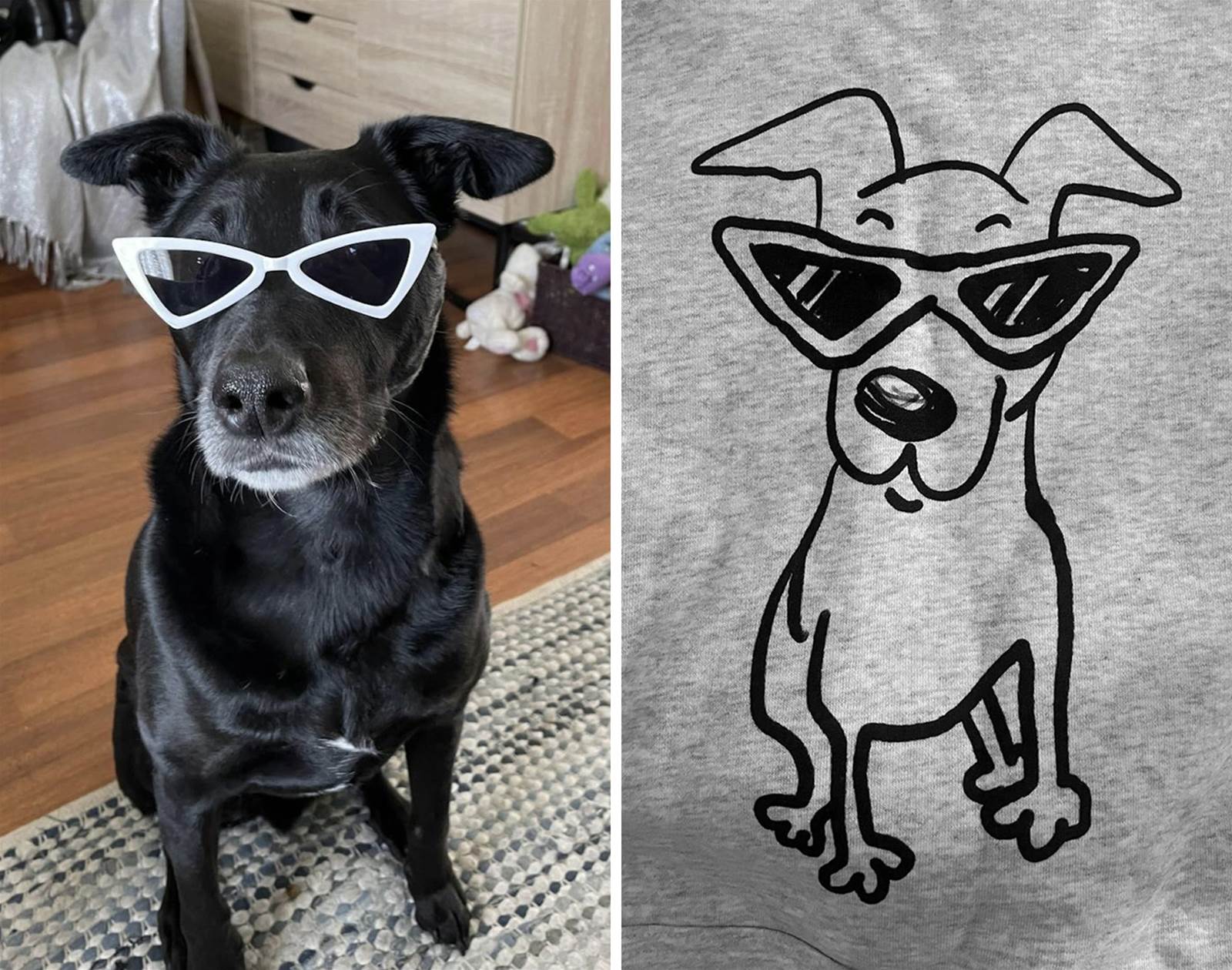 How have you balanced ethical production and sustainability throughout large growth periods? We've kept the business independent, which helps because I still get to make those decisions. We've grown, but I've never wanted to get bigger so badly that I'd give up the things I care about. We hold blank garments and print them when someone orders. That means we don't have to make hundreds of finished shirts in every design and hope they sell. It cuts down on unwanted printed stock and lets us keep quite niche designs available.
The blanks are made overseas, mostly by AS Colour, and we do the printing here in Sydney. I think it's important to be clear about that. Printing locally doesn't make the whole garment Australian made, and printing to order doesn't mean we create no waste. Staff need to be paid properly, and artists keep the rights to their work and get a commission from sales. Those costs are part of running the business. Sometimes it means making less money or growing slower. I'm OK with that.
Why has it been important for Lonely Kids Club to create gender neutral clothing that is accessible to everyone? Honestly, I don't see why a shirt with a pigeon on it needs a gender. We've had one range since the beginning – you choose the design you like and the fit that works for you. I don't want someone to feel like they're shopping in the wrong section or need permission to wear something. People already get told plenty about how they're supposed to look – I'd like our clothes to give them a bit more room to be themselves. That matters especially for people who don't feel comfortable with the usual men's and women's categories.
We've also tried to keep the clothes affordable while still paying everyone involved properly. It's a balance we have to keep working on.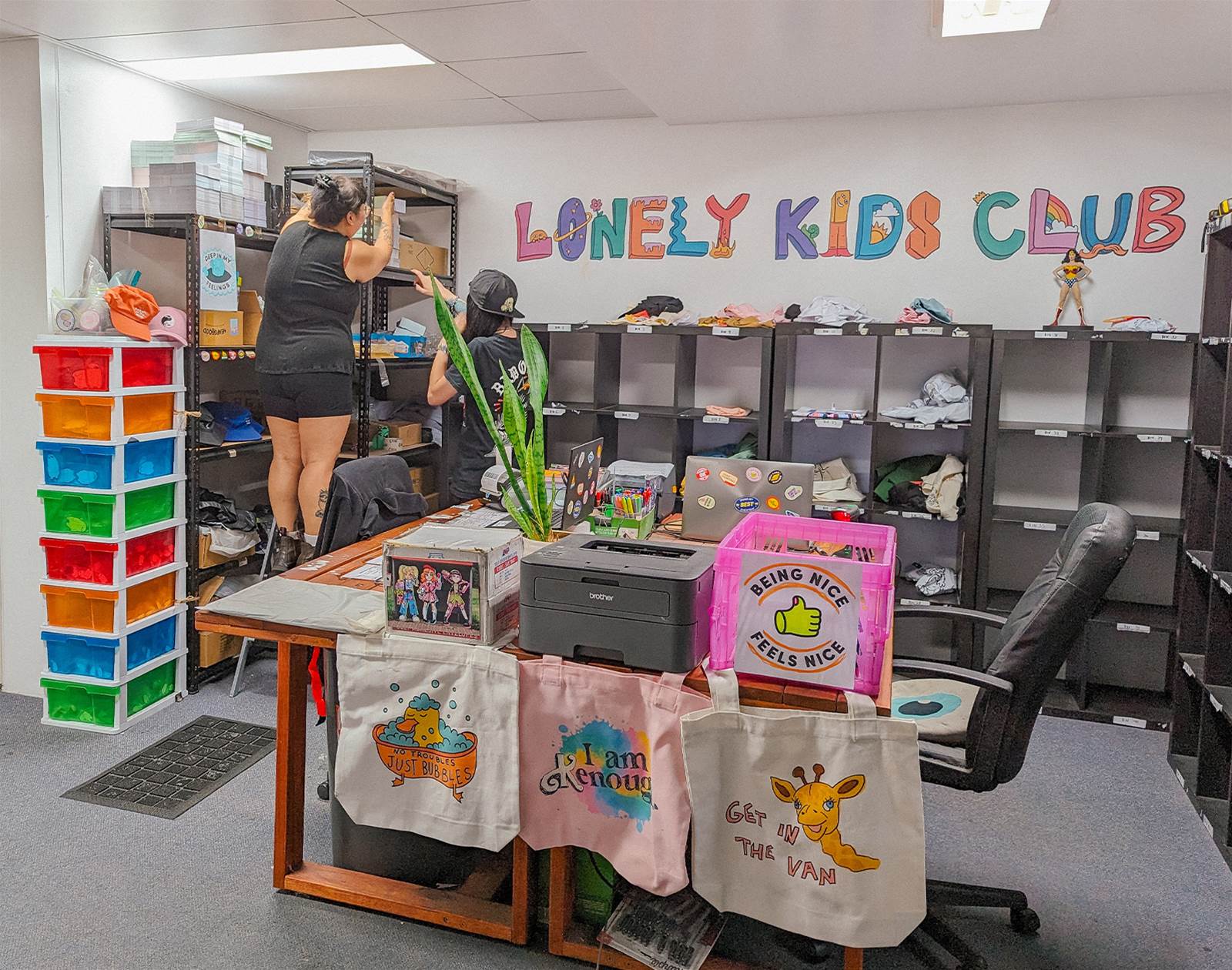 What has been the most important lesson you’ve learnt from 15 years of business? Probably learning that I don't have to keep pursuing an idea just because I've already put a lot into it. We once made a whole range called Velcro World. You could move patches between shirts and hats, and we had the Velcro sewn onto everything by hand. I thought it was a great idea. It completely tanked. We lost a lot of money clearing it out, but continuing to push it would have made things worse. Sometimes you have to admit something hasn't worked and move on.
I've also become clearer about what I actually want from the business. I want it to support the people working on it, pay artists, help causes we care about and let us keep making things we enjoy. I want it to grow, but I also want to still like running it. After 15 years, that feels pretty important.
Any advice for someone thinking of starting a small biz? Start small enough that you can afford to learn. You don't need a huge range or a perfect launch before you find out whether people want what you're making. Also, spend time on the boring stuff. Work out what an order actually costs once you've paid for materials, your time, packaging and everything else. It's very easy to feel busy and still not be making enough to keep going.
Listen to customers, especially when they tell you something is confusing or annoying. They're often pointing out a problem you've stopped noticing because you look at it every day. And try to make something you actually care about. There will be a lot of days spent answering emails and dealing with things going wrong. It helps to have a reason to still want to turn up.
For more small-business stories like this, visit frankie.com.au/strictly-business, or sign up to our monthly e-newsletter. Have a small-business story you’d like to share? Pitch it to us.
Add frankie as your trusted source

.png&q=80&h=682&w=863&c=1&s=1)
.jpg&q=80&h=682&w=863&c=1&s=1)




.jpg&q=80&w=316&c=1&s=1)