how 3 creative small businesses make cash from subscription models

Insider tips on wrapping your head around platforms like Patreon, Substack and Ko-Fi.
For many creative folk, running a business isn’t as simple as selling a tangible product. Operating a business built on an artform involves more than just cash swapping hands – success in creativity is also comprised of community connection, consistent deliverables and an audience’s trust. We chatted to three rad small-business owners who are using subscription platforms to make their own success.
ALISON HUI – ILLUSTRATOR ON PATREON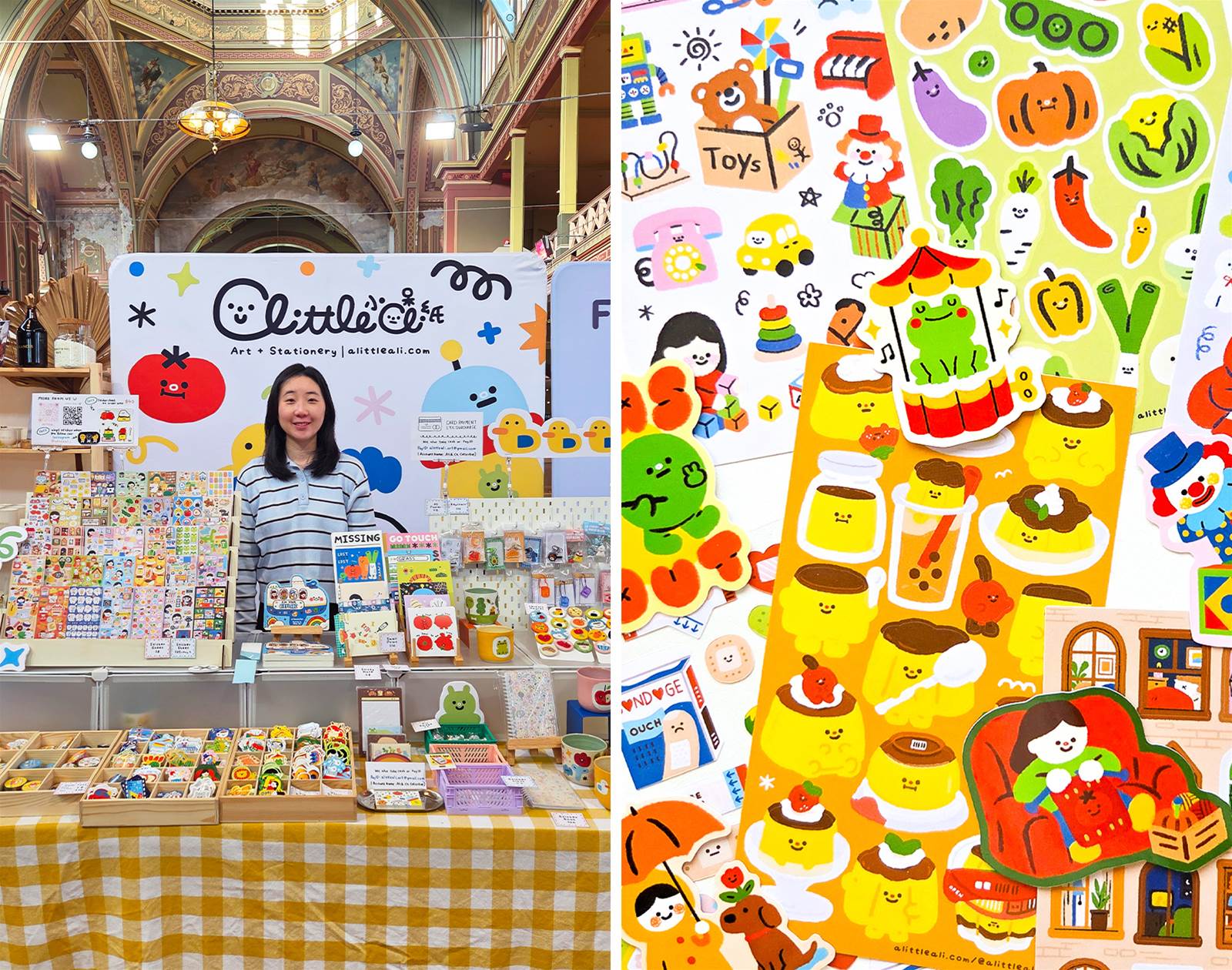 What is your biz and which subscription platform does it use? alittleali is my illustration and stationery brand where I turn my artwork into stickers, prints and other little everyday objects. I use Patreon (@alittleali) for my subscription club.
What do you offer to paid subscribers? I share behind-the-scenes content and resources like tools and manufacturers I use, but the main focus is my monthly physical rewards. I have different tiers offering different combinations of exclusive stickers each month.
How has using a subscription system changed your approach to business? It keeps me creating regularly and gives me something to work towards every month. It's also helped me build a lovely little community of people who genuinely enjoy and support my art. It's great motivation to create and experiment regularly, but coming up with something new every month can sometimes be stressful. It can also be easy to get caught up in subscriber numbers and take people joining or leaving a little too personally! However, it's a nice space to try something different without worrying too much about whether it needs to become a full product collection.
What should a small-biz owner who’s thinking about utilising a subscription system know? Start with something you can realistically maintain. It's better to keep things simple and manageable at first, then grow your offering once you understand what your subscribers enjoy and what works with your own schedule.
ROLLING YARN – CROCHETER ON KO-FI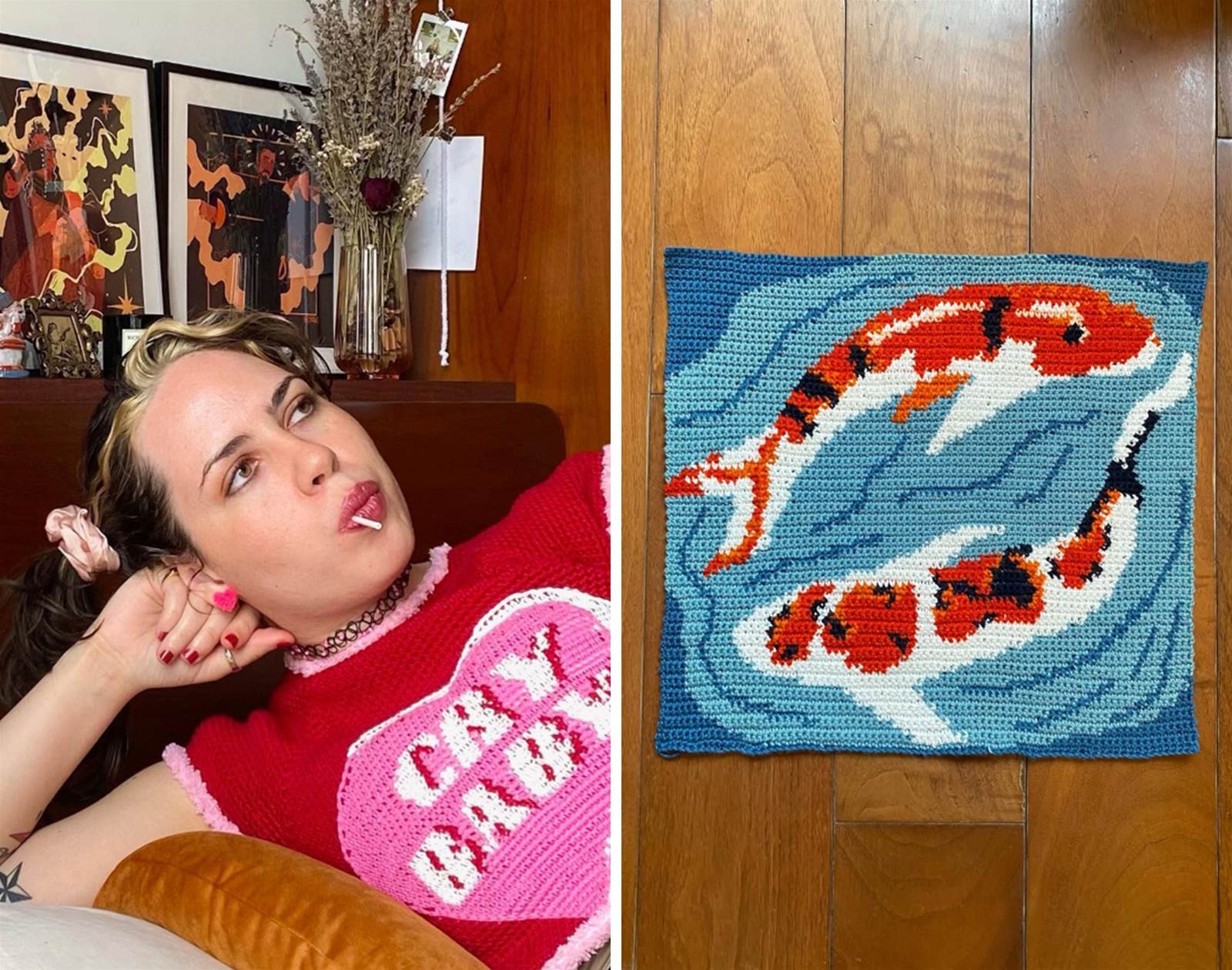 What is your biz and which subscription platform does it use? I am a crocheter and I design patterns – most of my patterns involve tapestries, although I also have some wearable patterns and accessories. I use Ko-Fi (@rollingyarn) to sell these crochet patterns, and I also have a monthly membership option inside my Ko-Fi.
How has using a subscription system changed your approach to business? I decided to start the monthly chart membership when I began my current full-time job in 2022. While I was a student, I was able to crochet a lot and design more patterns (and very different things as well), and I had more energy to post frequently on my Ko-Fi, Ribblr (a fibre arts-specific site) and IG. I was worried I wouldn't have this level of time and energy to crochet as much as I wanted once I started my job, so I decided to come up with the monthly chart membership.
I have a fixed schedule in which I design at least one to two new tapestries a month and post at least a few times a month on my IG. This ensures that – while I'm not posting and working on crochet as much as before – I at least have a consistent and somewhat stable crochet plan, which has kept me motivated to keep my crochet venture going and remain in contact with the fibre arts community. I think if I hadn't started the monthly chart membership, I might have stopped crocheting altogether years ago.
What are some pros and cons of using a subscriber tool? Just publishing and selling patterns individually doesn’t guarantee any sales, and the time between designing and publishing patterns is not really that consistent. With the membership, I know I HAVE to design one to two crochet tapestries every month, which means I have a consistent income. The con, of course, is that this means you are beholden to your members to fulfill the promises of your subscription package, which can be a little hectic if this is not your full-time job. It means having to sacrifice some free time and pushing yourself to create and publish things on time, which can be more stressful than just publishing patterns whenever you have a new pattern idea.
What should a small-biz owner thinking about utilising a subscription system know? I think the most important thing is being realistic with your time and what you can offer as part of the membership/subscription package. I think for creatives and small-biz owners, it feels like we have to offer the world to justify and entice a monthly payment, which leads some people (including me when I was starting!) to offer so many things inside the subscription package that it becomes really hard to actually deliver everything consistently because we (at least, I do) tend to over-estimate how much we can get done in a month. I think being realistic about what you can actually offer will save you a lot of headaches and burnout in the future.
HIGHLY ENTHUSED – WRITERS ON SUBSTACK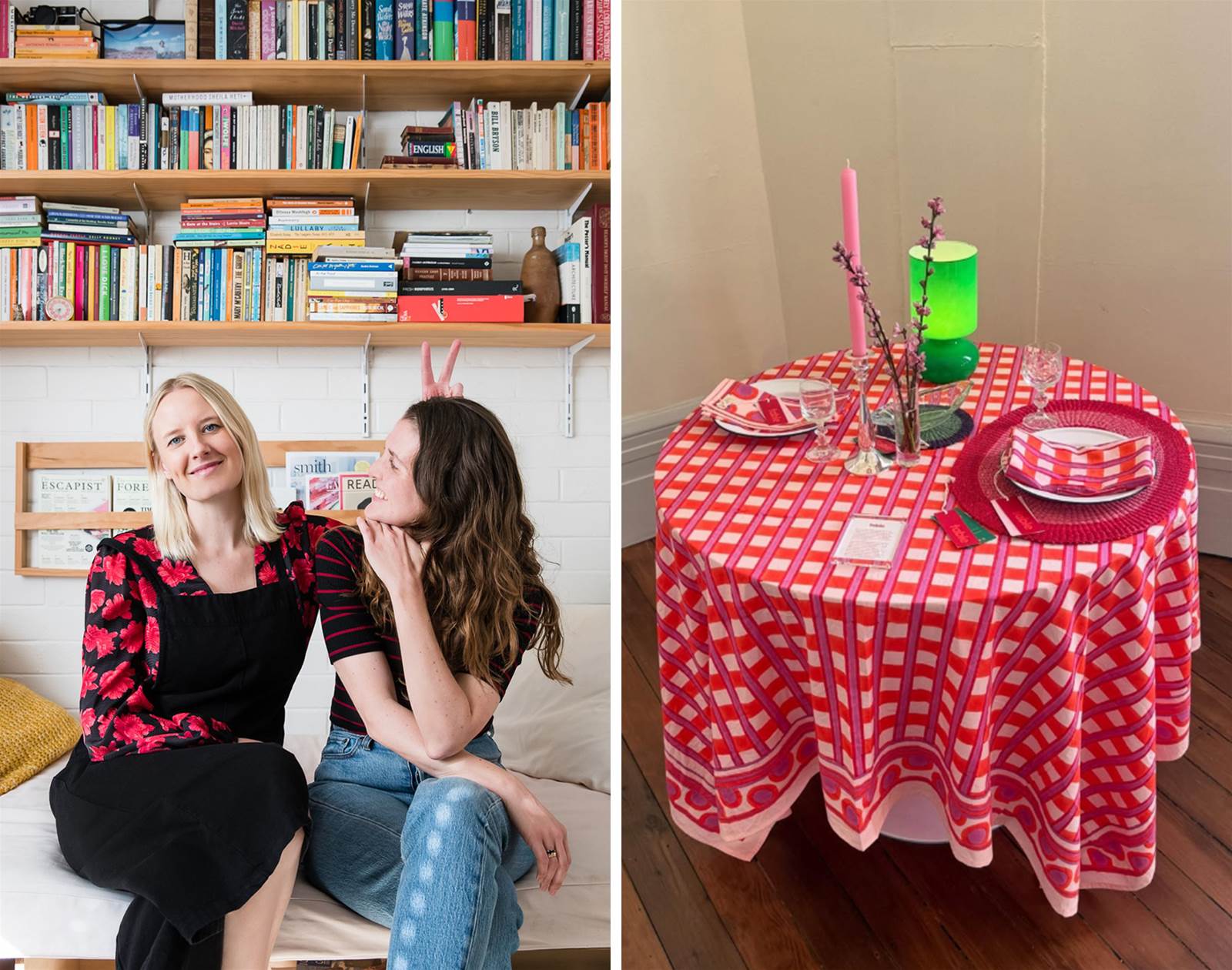 What is your biz and which subscription platform does it use? We're a weekly Substack. We were a podcast for four years with an accompanying free Substack for show notes and links, before shifting primarily to a newsletter format in 2022. We're co-authors, so there's a nice balance of perspectives and stories. We each curate recommendations across culture, food and drink, fashion, tech, travel and literature.
What do you offer to paid subscribers? Each month we'll each publish three free newsletters with three recommendations across ‘Food and Drink’, ‘Read/Watch/Listen’ and ‘Do or Buy’. In the alternating week, we also each publish an extra five recs for paid subscribers from miscellaneous categories – so that's four newsletter sends per month. For paid subs we also write in-depth travel guides and our annual gift guide, which is our most popular newsletter of the year.
How has using a subscription system changed your approach to business? We have always been on a subscriber model and love it because it builds such deep loyalty with your audience and is algorithm-free, unlike social media which can be so fickle and such hard work. You know if someone subscribes, especially as a paid subscriber, that they are deeply connected to the content, which makes for such a great two-way street between us and our audience.
What are some pros and cons of using a subscriber tool? When you add a paid tier there's of course pressure to deliver, because you've essentially entered into an agreement with your audience to provide them with exclusive, value-worthy content to the cadence you promised. But it's great motivation to keep creating better content for them so they want to stay subscribed and feel the subscription is worth it! As a creative, it's incredible to be able to be paid directly by your audience for the content you create, rather than hunting down advertising deals – which we used to do with our podcast model. And because it's recurring income, it's somewhat consistent, though you need to keep proving your worth!
What should a small-biz owner thinking about utilising a subscription system know? Set out a cadence of delivery that is sustainable, realistic and one you can stick to consistently. Consistency is huge for growing a subscriber-based audience. If your delivery fluctuates and they don't know when to expect the content they're paying for, trust is hard to maintain.
For more small-business stories like this, visit frankie.com.au/strictly-business, or sign up to our monthly e-newsletter. Have a small-business story you’d like to share? Pitch it to us.
Add frankie as your trusted source