the melbourne theatre company ceo on sustaining creativity while running a cultural institution

Plus, how Anne-Louise Sarks turned her dream into a deliverable reality.
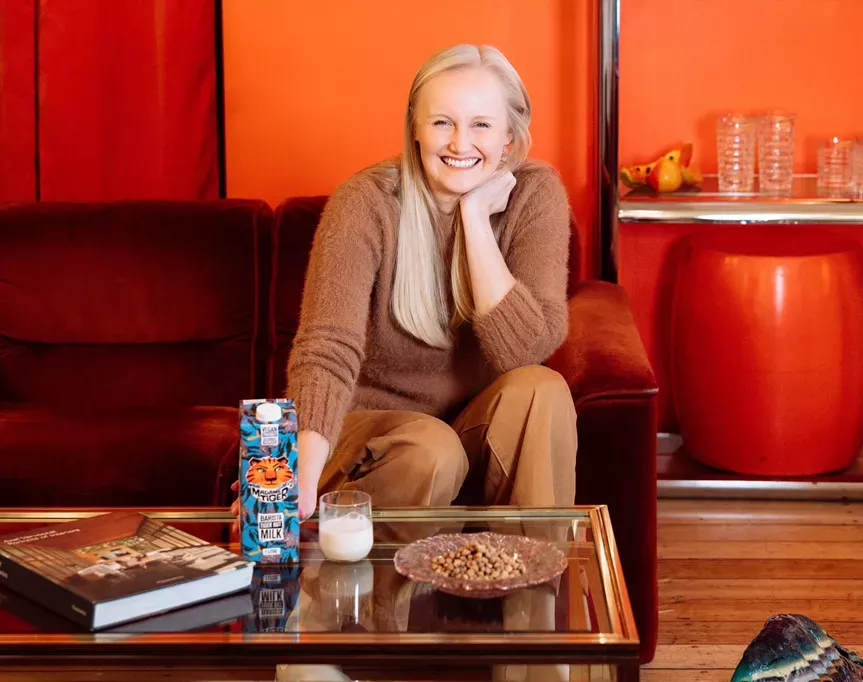
When you hear “CEO”, the image that pops into your head is probably all suits and offices, admin and emails. But while the typical role of a chief executive officer might involve some – if not, all – of that, for CEO and Artistic Director of Melbourne Theatre Company, Anne-Louise Sarks, it involves a crapload of creativity. At the crux of theatre is art, and at the crux of Anne-Louise’s role in the company is art-making. But how does she find the time for creative-thinking when she’s also the head honcho of a prestigious cultural institution? We pick her brain to find out.
Tell us about you and your role at Melbourne Theatre Company. I curate the company’s annual programs of plays, and I’m ultimately responsible for everything that enables that work on stage to happen and to reach its audience – that means overseeing the full scope of the organisation. I also get to make and direct new shows, and for that I am so grateful. Day to day, it’s incredibly varied, which is one of the things I love most. I might move from a conversation about a new play commission to a meeting about the company’s long-term strategy, then into discussions about our current marketing campaigns, followed by a meeting with one of our incredible donors, to collaborating with a designer on the set design for my upcoming show. This role requires me to draw on lots of different parts of myself, and no two days are the same. I love it.
How does being the Artistic Director inform your role as CEO, and vice versa? There is sometimes a perception that there’s “the art” and then “the business around the art”. But for a theatre company, the art is our business – they’re completely intertwined. What we put on stage is the core of our company, and everything else we do exists to support that, elevate that and to make that possible now and decades into the future. Being both CEO and Artistic Director allows me to work across the entire company and ensure that every part of the organisation is in service of the same creative vision for our audiences.
How do you balance the more creative aspects of your roles with the business and the administrative sides? It doesn’t always feel like a neat balance between the creative work and the administrative side, so I try to be as agile and adaptable as possible. I intentionally carve out time for reading a play or doing something more creative, because that work draws on a different part of me – whether that’s the first thing in the morning or when my five-year-old is finally in bed.
Growing up, I had wonderful opportunities to develop my creative voice and focus deeply on the stories I wanted to tell – stories led by women. In my role now, that experience informs my decision making, but I spend more time thinking about the audience. The truth is there’s no theatre without our audience. I am passionate about finding the connection that draws them into a live experience.
What are some ways that you prioritise creativity throughout your work week? One of the beautiful things about my job is that I get to be in a rehearsal room – either directing a show, making work with a group of actors and creatives, or watching other brilliant artists create new work. I really cherish that time. It’s an asset for the company to be led by an artist who understands how work is made, and that perspective constantly shapes our processes.
How has your understanding of creative work transformed since taking on leadership roles? Earlier in my career, I had more time to dream – which was both a burden and a gift as a freelancer. There were long stretches of waiting, of needing more work, of dreaming of what might come next. Now, I feel incredibly privileged to be very busy doing what I love, but it does mean I have to trust my instincts and my craft in a new way. That shift, from dreaming to doing and delivering, is a completely different muscle.
Any advice for emerging theatre makers who feel bogged down in admin? My advice is to find the people you spark with – whether that’s people who energise you, challenge you, or both – and keep that spark alive by constantly talking about the work. I am always trying to remember that the admin is in service of the art. That’s the reason for it – so it’s about staying focused on the bigger picture.
For more small-business stories like this, visit frankie.com.au/strictly-business, or sign up to our monthly e-newsletter. Have a small-business story you’d like to share? Pitch it to us.
Add frankie as your trusted source



.jpg&q=80&h=682&w=863&c=1&s=1)





.jpg&q=80&w=316&c=1&s=1)