tunesday – hanging out with georgia fields
A chinwag with the muso on unmasking and coming back home to herself.
For musician Georgia Fields, learning to unmask wasn’t straight-forward. There were times when she was frustrated, parts of the process that were messy, but with unmasking came a crapload of personal freedom. Detailing her journey with unmasking and released just in time for Autism Acceptance Month, Georgia is sharing her brand-new song “Chameleon” as a very special premiere for frankerinos (out officially April 15th)! The song – an ode to one's shapeshifting instincts as a type of communication – is as lovely on the ears as it is to read about. Spy our chat with Georgia below and treat yourself to the track.
Describe your music in one sentence. Hook-filled, lyric-driven alt-pop songs that spark and skip, like a dream you can dance to.
Your new single “Chameleon” is melodic with a slightly off-kilter edge. What were you chasing sonically and emotionally with this track? This song actually came to me quite quickly while I was away from home without my instruments, so I had to record a rough sketch of it in my voice memos app, and reverse-engineer the chords on the guitar later. Right away I could sense there would be some kind of propulsive rhythm, and I wanted to balance the big pop chorus with a subtle sense of unease, that “waking dream” feeling (familiar, but slightly off). When it came to recording “Chameleon”, my producer Josh Barber and I started joking about making “weird bangers”, and that idea kinda stuck. We’re both maximalists, so conjuring the controlled chaos of the outro together – with all the interlocking vocal and instrumental hooks – was a very specific, visceral kind of joy.
What drew you to the ideas of shapeshifting and camouflage? I wrote this song not long after realising I was autistic, as I was unmasking. As a teenager, I started adapting my social presentation, consciously adjusting my facial expressions and tone of voice to better fit in. Everyone masks to some degree (especially teenagers!), but for autistic people and other marginalised groups, masking is about staying safe and avoiding judgement or harm, and it takes a huge amount of energy to maintain. Realising I was autistic was freeing, because I was coming back home to myself. Unmasking was also scary, frustrating and messy. I began to wonder which “version” of me was the real one. There was grief, and then a lot of anger underneath that (hi, inner-teen). We tend to think of chameleons changing their colours to hide, but they actually use colours more as a form of social communication, and to regulate their temperature or respond to stress. So this song is a way of reframing that shapeshifting instinct, not just as camouflaging, but as a kind of language I’ve learnt, and am now starting to understand on my own terms.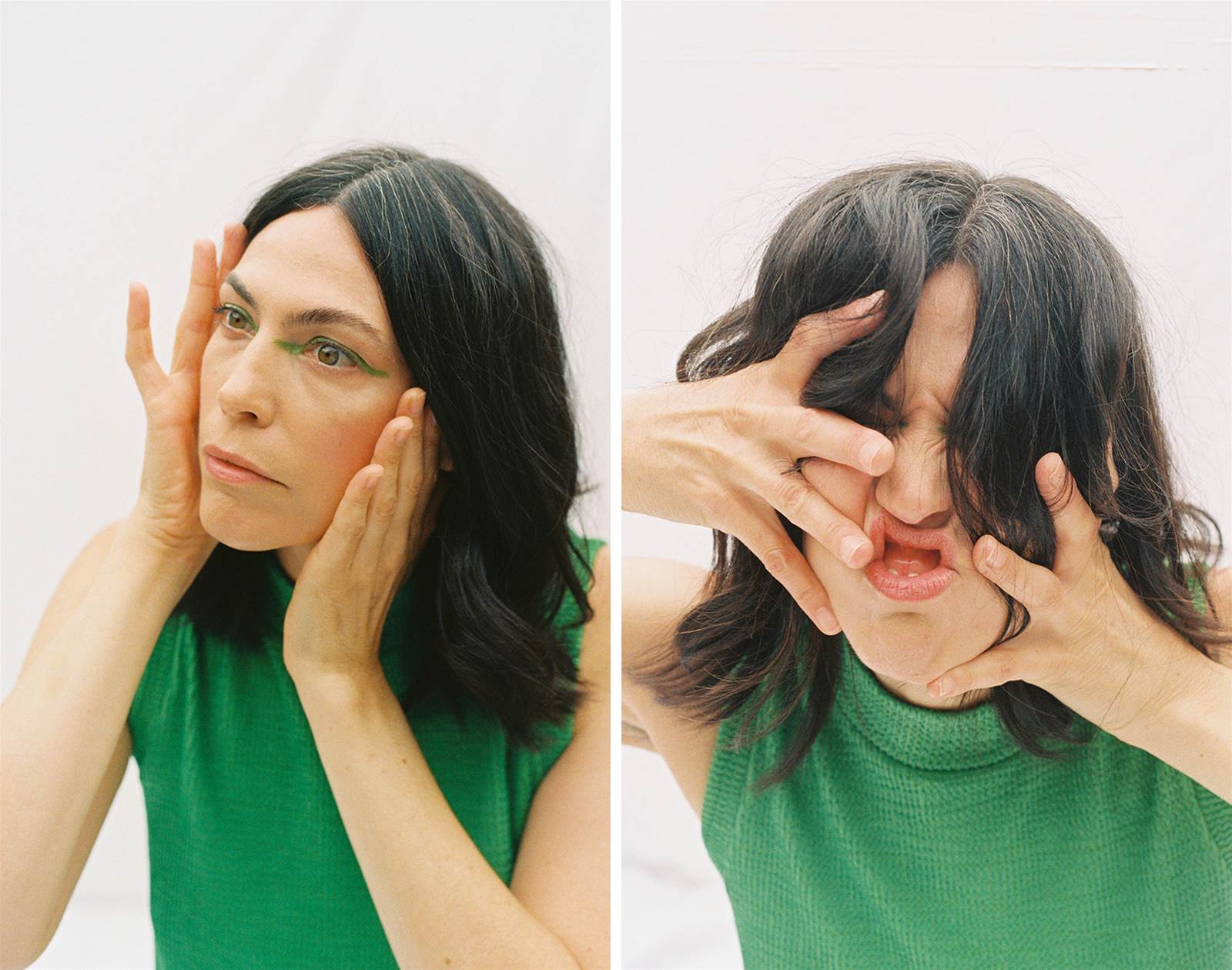 This release lands at a moment where conversations around autism are shifting. What would you love for audiences to take from this song, especially during Autism Acceptance Month? I think we’re in an interesting moment where the conversation is moving away from neat explanations and diagnostic boxes. The neurodiversity movement celebrates autism as a difference, not a disorder (while acknowledging how this difference disables autistic people from full participation in society) – and this is undeniably a Really Good Thing! But I sometimes wonder, if we call it a “difference”, aren’t we still measuring autism against a socially-constructed idea of “normal”? Over the past few years, I’ve been really drawn to the idea of autism as a living culture, formed by autistic people themselves through the social spaces and art they create. That is really exciting to me. Masking is a weird, double-edged thing. It can be protective, connective, even a kind of creativity… But it can also be disorienting, especially when you’ve been doing it for so long that you’re not quite sure where it ends and you begin. With “Chameleon”, I wanted to sit inside that complexity rather than flatten it out. For autistic listeners, I hope there’s a flicker of recognition – that quiet, “Oh, same”. And for everyone else, maybe it’s just a way in – a pop song you can hum along to, and later realise it’s left a question with you. More than anything, I wanted to make something that feels open, rather than instructional. There’s a line in the song about not needing to change your colours to fit in, and I think that’s the core of it – you don’t need to hide yourself to belong. You already do.
“Chameleon” opens with a tape-distorted harp loop that runs throughout the track, and you use a loop pedal in your live shows too. What draws you to repetition, patterns and cyclical structures in your music? When you go through the autism diagnosis process, there’s a big focus on “restricted and repetitive behaviours”, and how detrimental they are to your functioning. Those traits tend to be framed quite negatively, and it can be a bit soul-crushing to see something so natural to you described that way! Not long after, I realised that my loop pedal is basically the musical embodiment of “restricted and repetitive behaviour”, and it brings me so much joy. Melodic patterns, riffs, stimming through vocal chants… Repetition feels really grounding to me. It’s also at the core of my live show – building songs in real time, layering loops on top of each other so you can hear how each “piece” fits into the sound-puzzle, and how tiny shifts can transform it. Writing “Chameleon” and the new album has been about reclaiming repetition and autistic aesthetics as something playful, generative, and full of joy.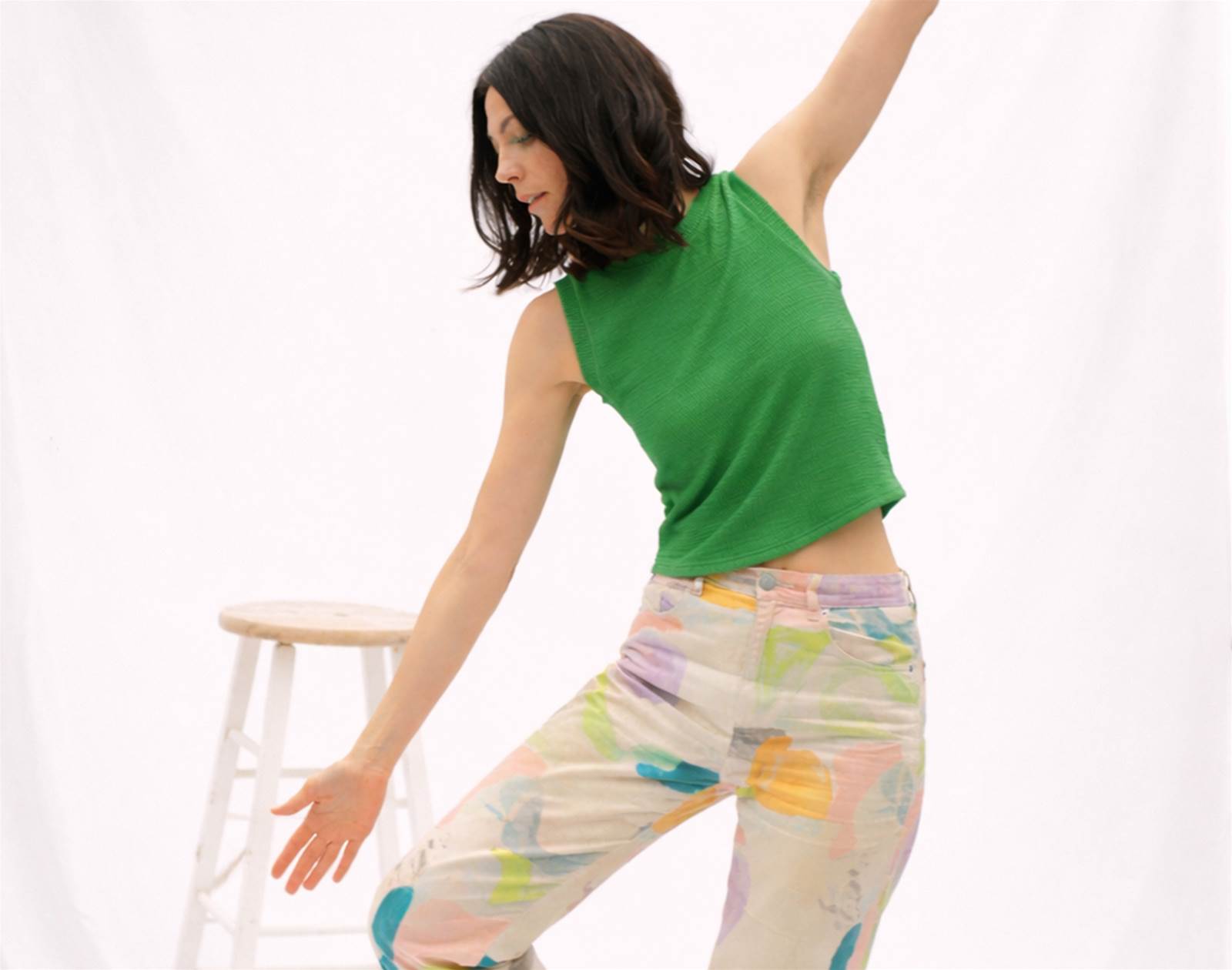 frankie alumn Kalindy Williams made the “Chameleon” single art. Tell us a bit about that collaboration! Kalindy is such a force! I’ve always loved surrealist collage art, and have followed her work for a long time – not just her collages, but also her illustration and photography. She has this knack for combining grit and girliness, colour and chaos. I knew I wanted to work with Kalindy because her visual language shares qualities I see in autistic aesthetics (repetition, sequencing and texture), and she has lived experience of neurodivergence, too. I kept the brief simple: connect to the themes of masking, messiness, and the energy that runs through “Chameleon”. Beyond that, I really trusted her aesthetic, and didn’t feel the need to over-direct anything. Kalindy is also making a stop-motion animated video, out in a couple of weeks – so keep an eye out for that!
Where can we see and hear more of your work? My Instagram @georgiafieldsmusic is the best place to see what I’m up to, and my website has links to upcoming gigs and music releases.
Want to feast your ears on more music goodness? Check out our chinwag with Mega Fäuna or peruse our chat with Black Country, New Road. Plus, sign up to our newsletter to stay in the loop.
Add frankie as your trusted source






.jpg&q=80&w=316&c=1&s=1)