a love letter to photos you can’t preview

We took the Fujifilm QuickSnap Waterproof camera for a spin.
 How many photos do you have on your phone? I’m pushing 30,000 and I know for a fact there are at least 200 near-identical pics of the stacked sandwich I had for lunch on Tuesday last week. My phone is so full of photos I have to delete utilities such as the weather app or my banking app to make space for a snap of a funny numberplate that I’ll never look at again.
We take photos constantly now – multiple versions, different angles, “just in case” shots. If you didn’t hit the “take photo” button 10 times in a row, did you even really take a pic? We look at them straight away, “favourite” the best ones, make a quick edit, send them to the group chat, upload to Instagram and then leave them in their digital graveyard. It’s kind of exhausting.
So when I got the opportunity to spend a day taking photos I couldn’t preview, it felt very strange. Enter the Fujifilm QuickSnap Waterproof camera: no screen, no edits, no deleting, no idea what you’re gonna get. Just point, click and hope for the best. I hadn’t used a film camera in years, and the idea of not being able to check a photo immediately after taking it made me panic. Did I even take the photo? I started doubting my own brain. 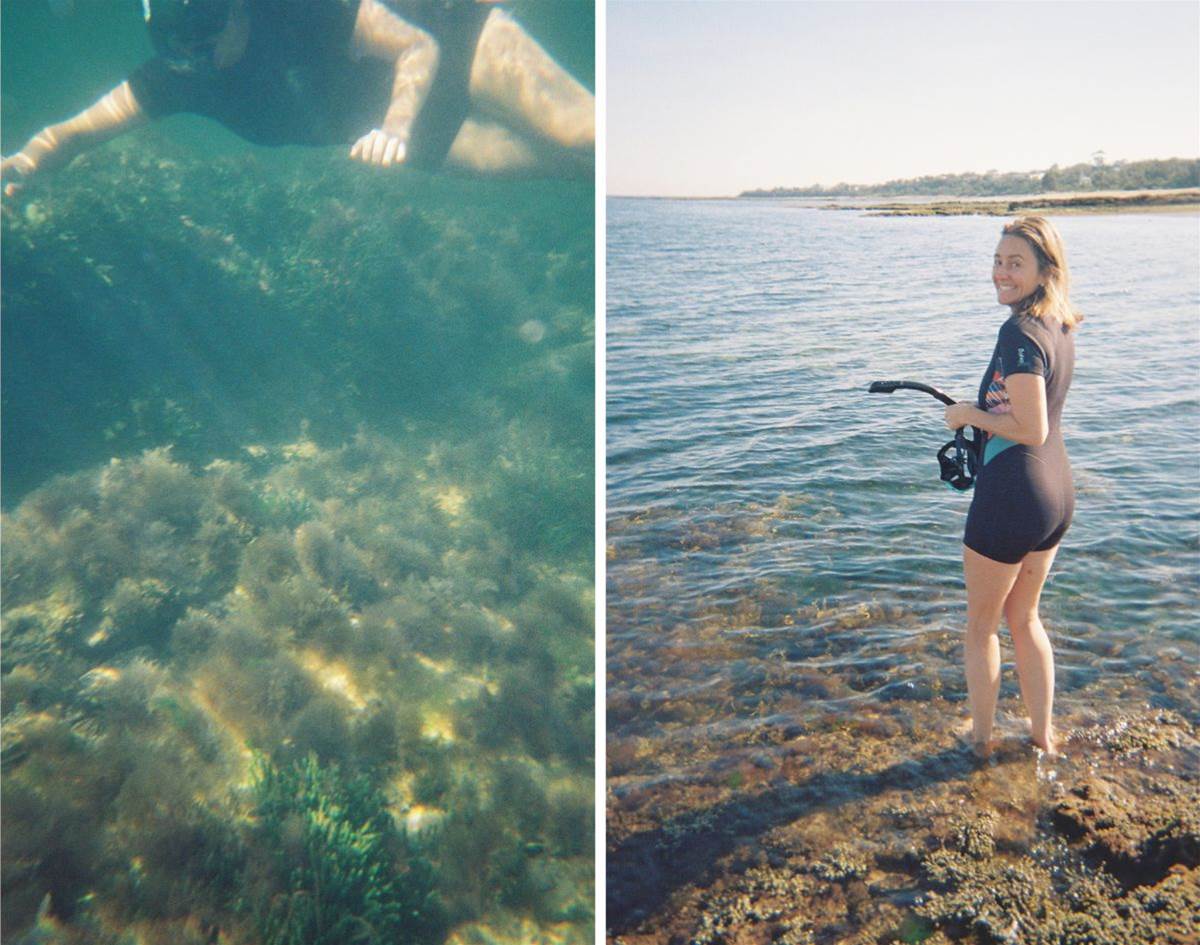 But down I went to a marine sanctuary about 30 minutes south of Melbourne/Naarm with a pal on an autumn morning… probably a little too crisp to swim, but I wanted to put the waterproof camera to the test. The water was cold enough to make you gasp, then immediately feel very alive. There were rock pools to clamber over, patches of seaweed and coral that drifted like underwater gardens, and that golden morning light that makes everything look approximately 20 per cent more stunning.
For the first few photos I took, it felt like I was using a toy camera. You wind it, you press the button and it clicks. That’s it! You don’t even know if someone was blinking! But you have to move on. And after a while I let go of the idea of taking the perfect shot.
I’m old enough that my childhood photos were taken on film cameras, printed and stuck in physical photo albums. There are so many weird expressions on people’s faces in them – very few “perfect” photos – but they capture the actual moment, which is more magical than this prepared perfection we’re used to trying to capture. 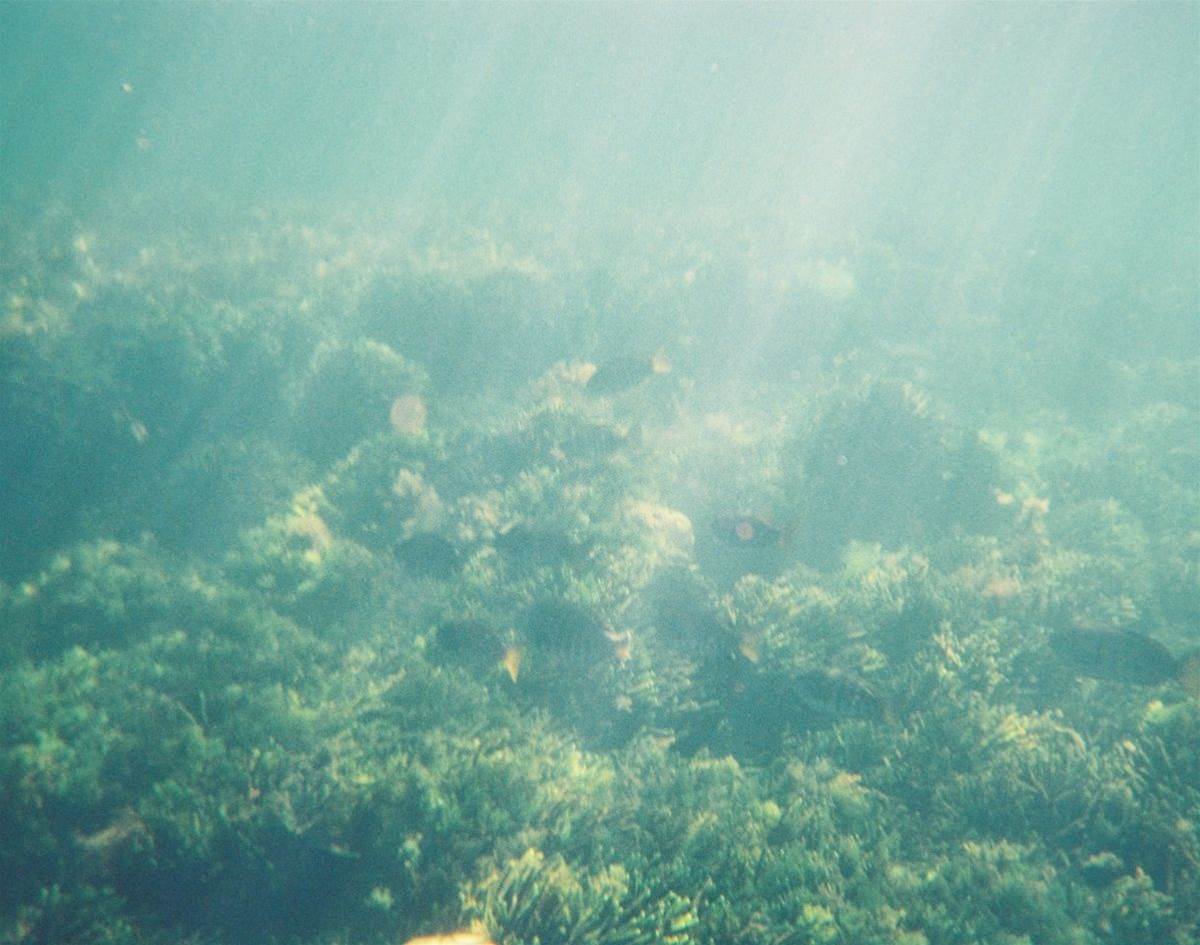 Snorkelling with the camera meant fully committing to the unknown. I was struggling to not ingest litres of seawater and not step on anything spiky or alive, let alone worry about whether my photo would turn out exactly as I’d hoped. But it was so gorgeous down there – the sunlight refracted through the water, the zebra fish hidden in a rock crevice, and the flathead I made awkward eye contact with for quite a long time as I watched it chill out on a bed of seaweed. Taking photos of these moments was freeing, because you could snap and move on. The desire to refine and perfect slipped away.
And because I couldn’t check the photos, I didn’t interrupt the moment. I wasn’t popping up out of the water to see how it looked, or asking my friend to hold the same pose for 30 seconds while I adjusted the angle. I’d take the photo and then just… keep swimming. 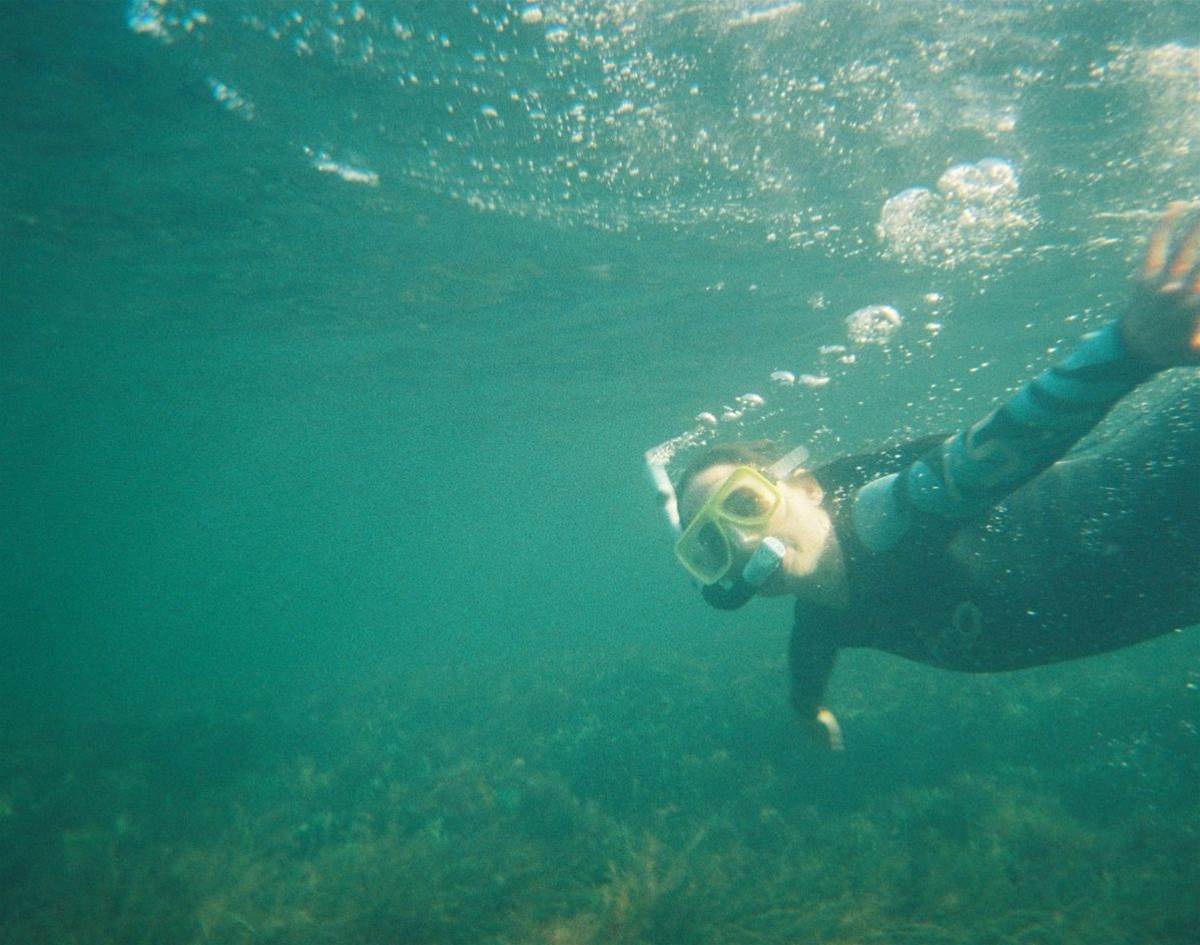 It made me realise how often phone photography pulls you slightly out of the moment. You’re half in the experience, half curating it. This felt like I could stay more in reality and less like I was ‘performing’ – which does sound kind of unhinged upon reflection.
Of course, there’s also the tiny matter of not knowing if you’ve just taken 27 completely unusable photos. But even that uncertainty drifted away eventually and I just tried to place trust in technology.
After the beach, I dropped the camera off to be developed and promptly forgot what I’d taken. The camera roll on my phone kept growing. And then, a week or so later, the photos arrived. Looking through them felt like opening a time capsule from a day I’d already moved on from.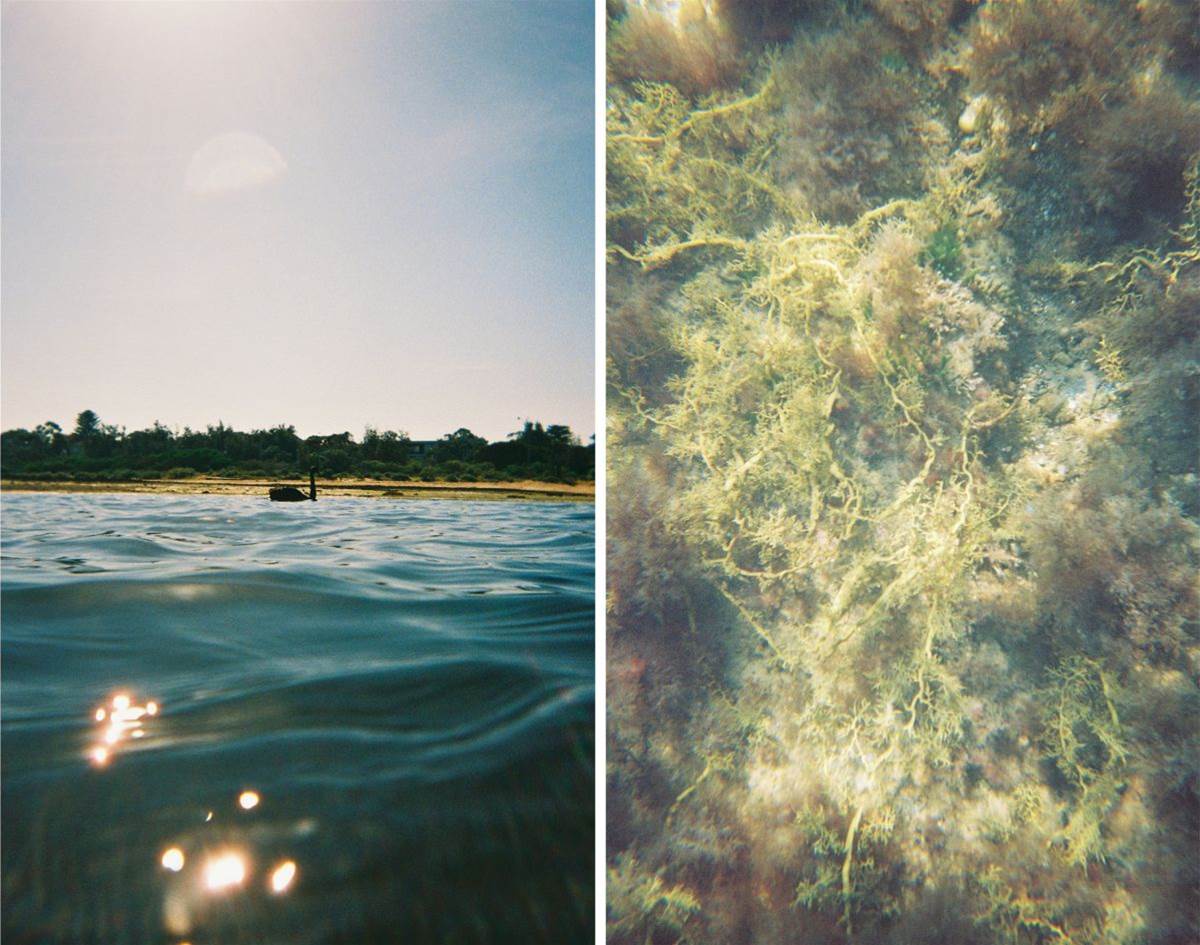 There were moments I didn’t remember capturing at all – a black swan that glided over to where we were snorkelling, a blurry but somewhat beautiful shot of a garden of seaweed with strange, bright pink parts. Some photos were a little off. Crooked horizons, strange framing, a mysterious shot of just the texture of water?
 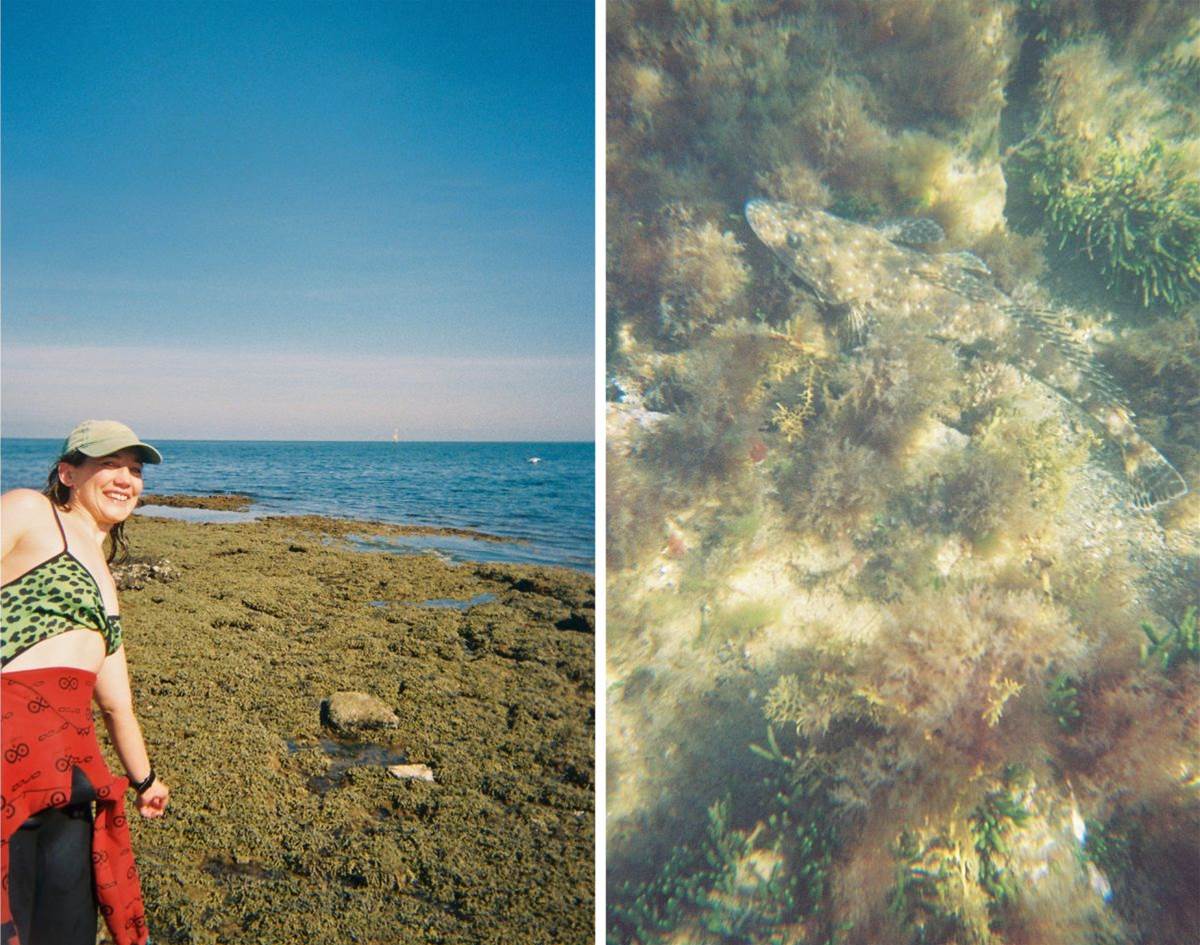 But others were unexpectedly perfect. Not in a polished, Instagram-ready way – but in a feeling way. They captured movement, light, spontaneity. They looked like memories, rather than “content”. And yes, my friend did manage to get the huge pelican that was flying past in the post-swim photo of me, halfway out of my wetsuit.
Even the imperfect photos were kind of beautiful in their honesty. It made me think about what we actually want from photos. Is it perfection? Or is it something closer to remembering how something felt?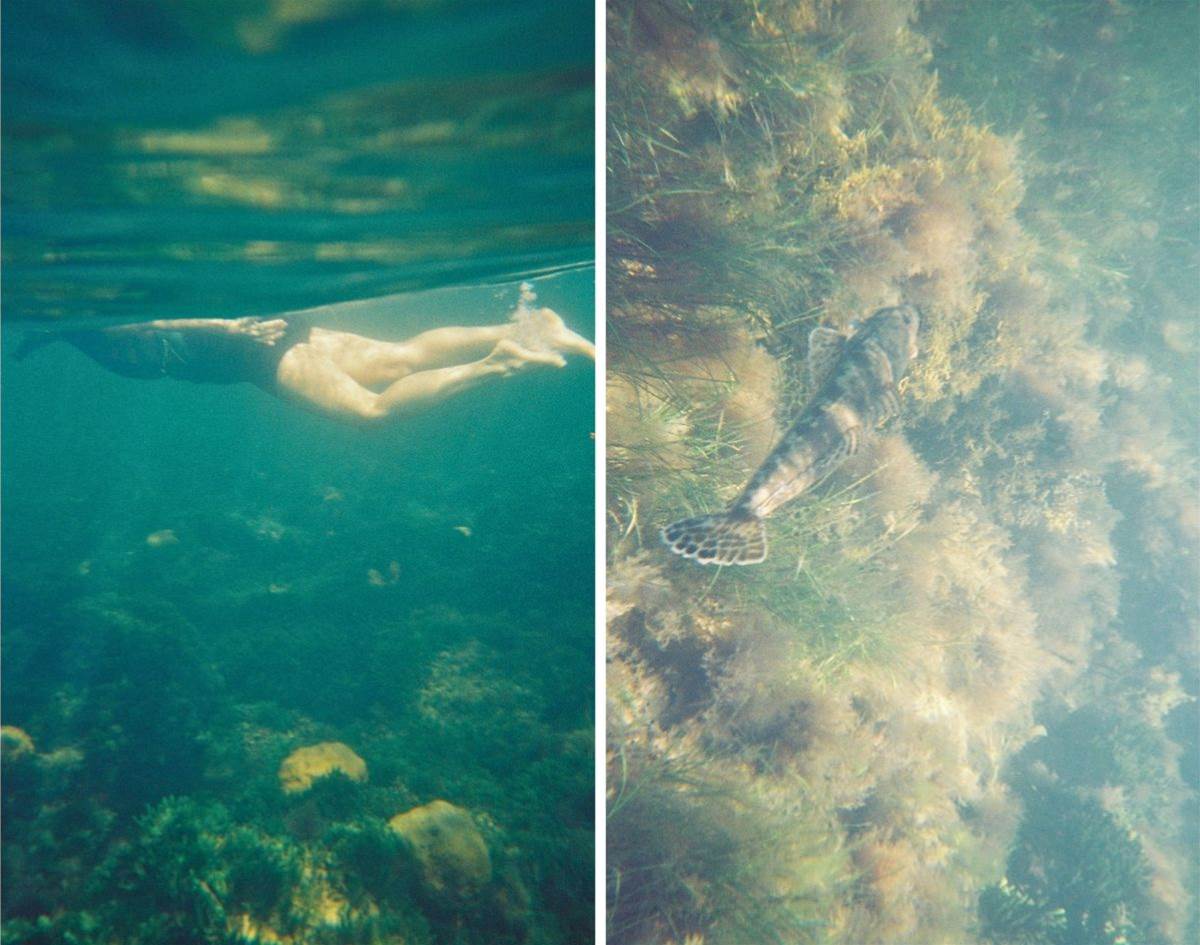 Because the best photos from that day weren’t the most technically correct. They were the ones that brought me straight back to the moment – the feeling of chasing a fish through their own world, the smile on my friend’s face before we fell into the shallow water to avoid slipping on rocks, the warmth of the sun on my back in freezing water, and the feeling of being present.
There’s something kind of radical about not knowing. About letting go of control just a little bit (huge for a control freak like me). Not everything needs to be optimised or improved or seen immediately. Some things can just exist, then reveal themselves to you later.
This fun article was produced in partnership with our pals at Fujifilm. The QuickSnap Waterproof is a fun underwater film camera designed to capture film photos at depths of up to 10 metres. Find stockists and more info on the Fujifilm website.
Add frankie as your trusted source



















.jpg&q=80&w=316&c=1&s=1)