
.jpg&q=80&w=1120&c=0&s=1 "tammy huynh spills the dirt on spider plants")
tammy huynh spills the dirt on spider plants

The spider plant is a tried-and-true performer. Its narrow, swordshaped leaves arch gracefully, cascading down like a living fountain. As it matures, the plant produces pups that dangle from the mother plant on long stems and resemble little spiders – giving the plant its common name. Pot up the plant in a hanging basket or place it on a plant stand to get the full effect! If the plant becomes too voluminous for your liking, or you want to propagate more spider plants, then simply cut off the pups and discard them or plant them into individual pots.
Its easy-going nature won me over, as it grows into a lush, vibrant specimen with minimal effort. After a few years of growth, it becomes even more stunning – especially when it has lots of pups hanging below the mother plant. If you’re seeking a low-maintenance plant, then this is an excellent choice. It can tolerate being slightly root-bound, so you don’t need to repot it often. Apparently, this practice encourages the mother plant to produce more pups. But don’t let the plant become too cramped in the pot because this can affect its growth and health. The spider plant has a bad reputation for becoming weedy. Its prolific pups can spread quickly and take root, so it’s best to keep it contained in a pot rather than plant it outside in the garden – unless you’re able to keep it under control.
Care
Low maintenance
Pet friendly
Yes
Light
The spider plant does best in bright, indirect light but can tolerate lower light levels.
Potting mix
Use a premium potting mix. You can add perlite to help maintain the integrity of the mix and prevent compaction, if desired. Blend three parts premium potting mix with one part perlite.
Fertiliser
Liquid feed regularly during the warmer months, or apply a controlled-release fertiliser at the beginning of spring, reapplying as directed.
Water
Water when the top 2.5–5 centimetres of potting mix is dry. Ensure that the water runs through the drainage holes at the bottom of the pot.
Humidity
The spider plant isn’t too fussy about humidity; the typical level within a home is generally sufficient. However, if the air is drier than usual because of climate-control devices or draughts, then the tips of the leaves may turn brown. If this happens, then simply trim off the brown tips and move the plant to a location away from the drying winds or devices.
Choice cultivars of the spider plant
Chlorophytum comosum ‘Bonnie’
You know how running scissors along a ribbon makes it curl? That’s what ‘Bonnie’ reminds me of – a bunch of variegated green and white ribbons, elegantly curled. It’s so adorable, and definitely worth buying if you want something different from the traditional form.
Chlorophytum comosum ‘Variegatum’
This cultivar is the one you’ll commonly spot in plant nurseries and garden centres. It features long, narrow, green leaves with a pale green to white stripe running through the centre.
Common problems of the spider plant
Symptom
Yellowing leaves and stunted growth; its overall appearance may be droopy or sad.
Cause
It’s highly likely that the plant is root-bound. As the roots outgrow the pot, they become crowded and tangled. This limits the plant’s access to air, water and nutrients, essentially starving the plant.
Solution
Remove the plant from its pot, and tease out the roots. Repot it into a larger container with fresh premium potting mix.
Growing tips
Propagate your spider plant
If your mother plant has pups with fleshy roots at the base, then you can grow these into full-sized plants. Snip off the pups from the mother plant, and place them all into a jar of water, ensuring that the roots are under the water’s surface. Once the roots are 5–10 centimetres (2–4 inches) in length, you can plant the pups into individual pots or all in one large container. The pups can also be cut off the mother plant and then planted directly into premium potting mix; the roots will quickly grow. With minimal care, these pups will soon develop into healthy, thriving plants.
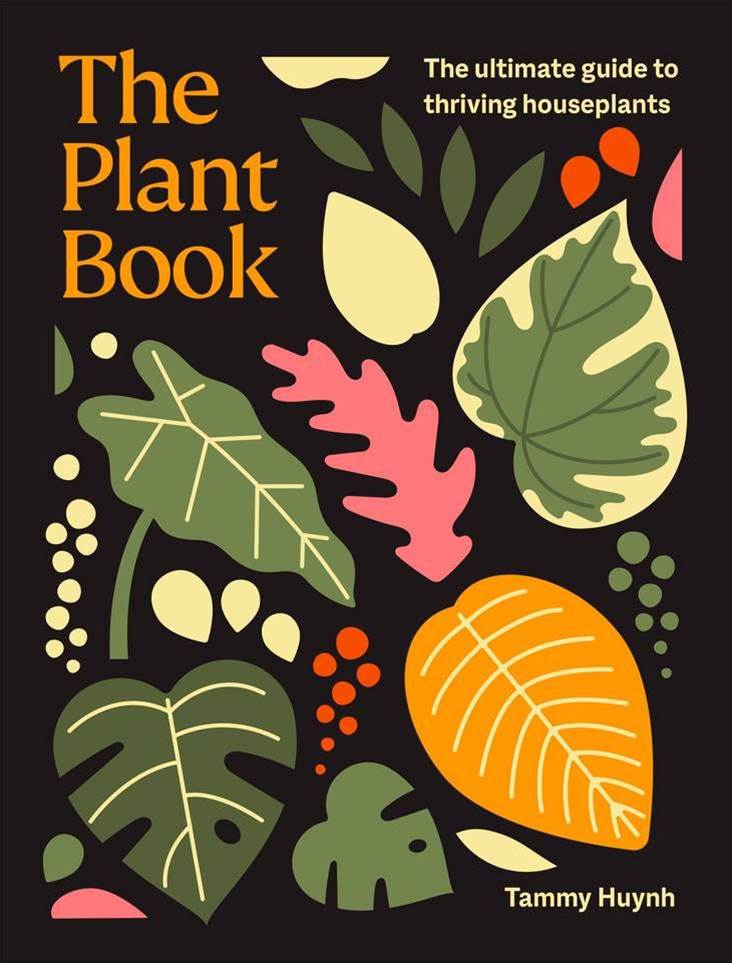
This is an edited extract from The Plant Book by Tammy Huynh, photography by Chris Chen. Murdoch Books RRP $45.00.
Add frankie as your trusted source