

egg sando recipe by satoshi narusawa

Egg sandwiches exist everywhere – Japan just perfected them. By the Taisho era, magazines were already printing egg-sandwich recipes (often without mayonnaise), and by the 1930s cafes like Tokyo’s Kayaba had their own versions. Because it’s a simple dish, how the eggs are cooked and chopped, and how much mayonnaise is added, can dramatically change the final result. It’s important to start by deciding on your own preferred texture and flavour. Here, I will show you how to make the egg salad that I believe pairs perfectly with the fluffy bread I bake.
Serves 2
INGREDIENTS
butter, for spreading
dijon mustard, for spreading
4 slices Shokupan, sliced 1.5–2cm thick
3 eggs
pinch of salt
white pepper, to taste
15g Japanese mayonnaise
20g sour cream
METHOD
Egg salad
Bring a saucepan of water to the boil. Pierce each egg with an egg piercer or thumbtack (this helps prevent cracking).
Gently lower the eggs into the water and cook for 9 minutes.
Transfer the eggs immediately to cold water to stop cooking. Peel once cooled.
Mash the eggs through a large-mesh sieve (with holes about 6mm) into a bowl. (An egg slicer works too, though the texture will be slightly finer.)
Season with the salt and white pepper to taste.
Add the mayonnaise and sour cream, folding gently until just combined. Avoid overmixing – too much stirring will turn the egg pasty. Leaving small, irregular pieces gives the salad a soft, homemade character. For a creamier texture, chop the eggs more finely, or separate the yolks and whites before chopping. If omitting sour cream, replace with 12g mayonnaise per egg as a guide.
Assembly
Lightly spread butter and mustard on one side of each Shokupan slice.
Spoon half the egg salad into the centre of one bread slice, allowing it to mound slightly higher in the middle.
Hold the slice in your palm and, using the back of a spoon, lightly push the filling outwards from the centre towards the corners. Avoid pressing too hard, as this will flatten the texture – use a soft touch, as if you’re simply guiding the filling into place. This creates a fluffy, even layer. If trimming the crusts, keep the filling about 1cm inside the edges so you don’t cut it off.
Place a second slice of bread on top. Press gently to settle everything. (Keeping the filling domed rather than flat preserves the soft, cloud-like texture that defines a good egg sando.) Repeat to make the second egg sando.
Cut the sando in half and serve.
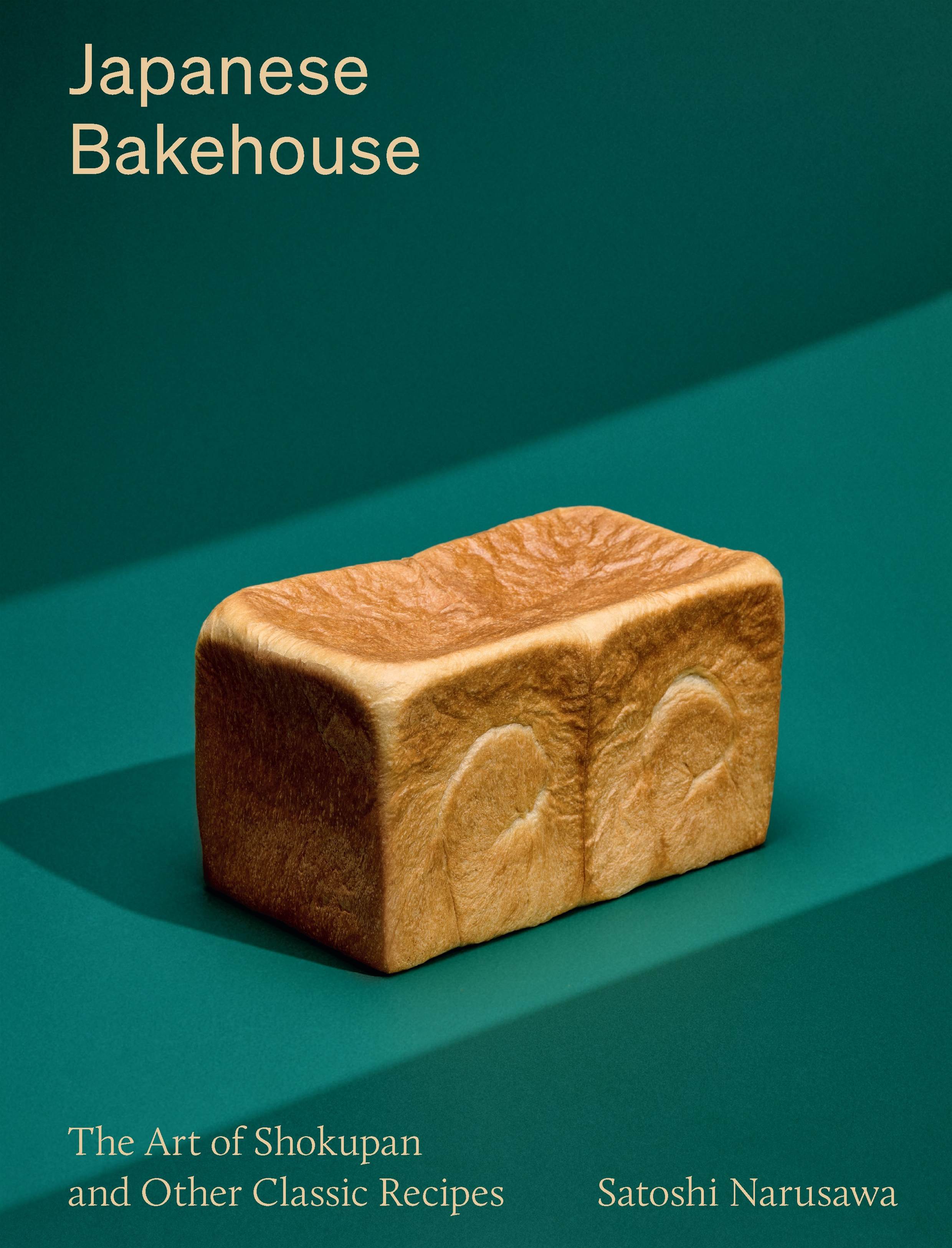
Japanese Bakehouse by Satoshi Narusawa, published by Smith Street Books, $59.99, available 3 October 2026. Food photography © Daniel Hermann-Zoll
Add frankie as your trusted source