

why founder-led branding is more important than ever, according to a marketing whiz

Plus, how to put a face to your biz if you don’t want to be front and centre.
Small-biz owners are competing with a whole tsunami of obstacles in the current market. Whether it’s the existential threat of AI or the big dog corporate competitors, brand strategist and designer Jasmine Sotiropoulos is here to tell you that your small biz has one thing that no one else does: you. We caught up for a chinwag with Jasmine to find out all about the rise of founder-led branding and why you might want to consider pairing a person with your product.
Tell us about you and what you do. I’ve been in the creative space for over 17 years. When I first went out on my own, I started ReWorded – a solo brand and web design agency – but in the last year I expanded into Red Bow House after noticing the rise and growing need for strategic personal and founder-led branding.
As someone who has personally owned three founder-led businesses, I understand exactly what that world looks like. Branding for that space is very different from standard business-based branding, because the person behind the brand becomes such a big part of the trust, connection and overall experience.
At Red Bow House, I work with founders to figure out what makes them memorable, position them strategically within their industry and create brands that feel aligned across every touchpoint. It's a blend of branding, positioning, visibility and personal presence, all designed to help people become known for what they do and build businesses that can grow with them.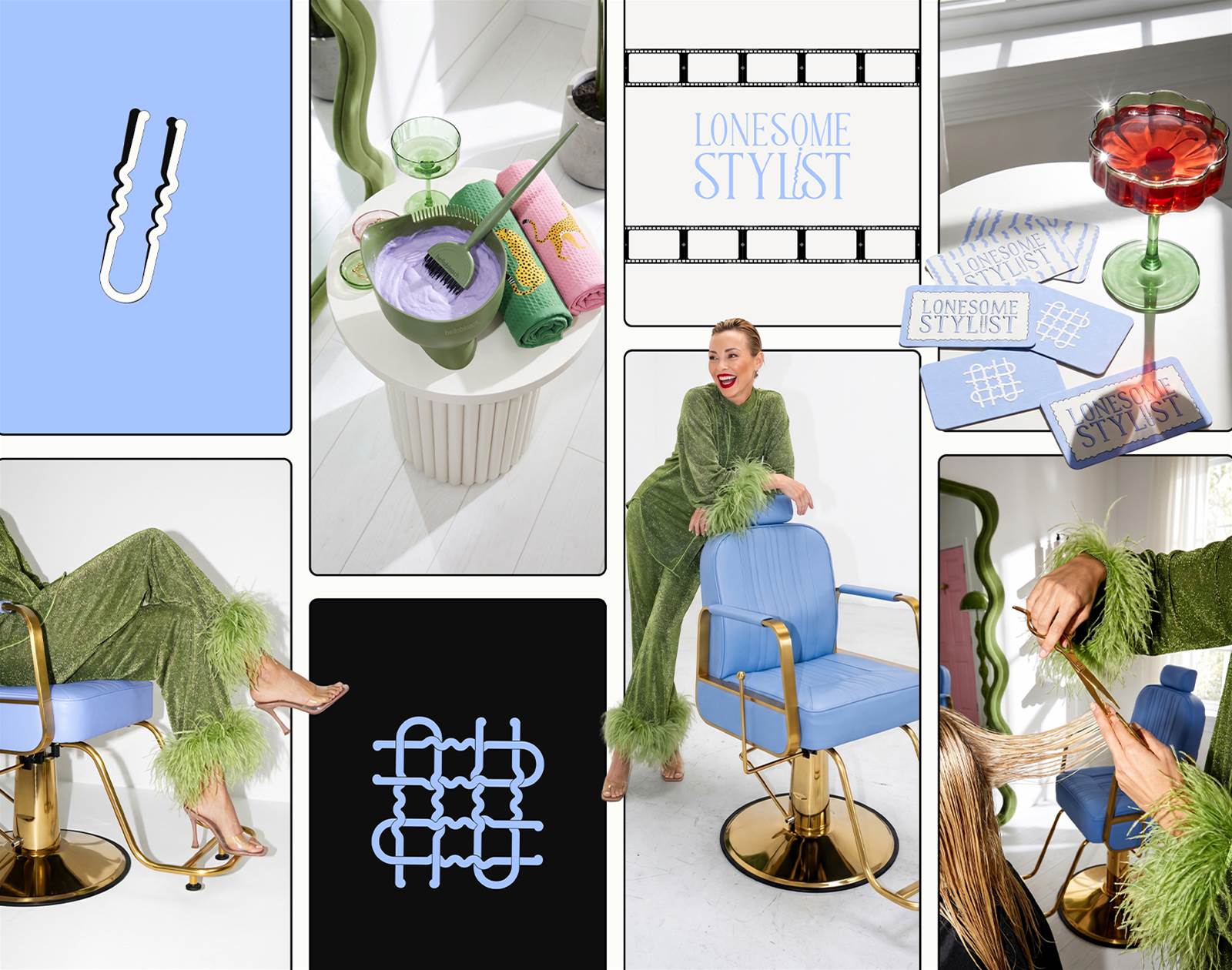 When did you begin to notice the shift from branding as a business entity to branding as personal identity? I noticed it fairly early on, and I usually reference the Kardashian empire. Love them or hate them, they walked so we could run. Each of them is individually connected to some of the most successful businesses in the world, and they all use themselves as part of the selling point. No one is obsessed with SKIMS without the association of Kim K.
The rise of influencers brought that idea into the mainstream. It changed what made us choose one brand over another. We started looking for a trusted source when making a purchase, instead of relying only on endless reviews from people we don’t know, or reviews we can’t always tell are genuine. Then AI hit the market, and now more than ever, establishing trust is one of the biggest challenges new businesses have to face. Gone are the days when people see a product or service and click buy just because of what it says on a website or because of one post they read on Instagram. People need far more touchpoints with a brand before they feel confident enough to buy, especially when the product or service costs more than an impulse purchase. For lower priced products, brands are often competing with companies like Temu and Shein, because those purchases are usually more about function, convenience or price than reputation.
With all of that in mind, and after what feels like a slow pivot over the last decade, it’s now undeniable that a brand needs to be connected to a face. That might be the founder, or it might be a long-term ambassador, but people need someone they can connect with. Do small-biz owners need to have an established social media presence to succeed in founder-led branding? Right now, platforms like Instagram, YouTube and TikTok are giving smaller creators and smaller brands real opportunities to be seen. Even the way we’ve been taught to think about Google SEO is changing, so a lot of the work that medium and big brands have done to establish their name is being shaken up. That means it’s almost anyone’s game. You absolutely don’t need to already “be someone” to become someone. You just need to start building trust, showing up with consistency and giving people a reason to care.
How do you think the rise of AI in marketing will affect founder-led branding? AI is one of the biggest drivers behind the rise of founder-led branding, because it’s making people crave something more personal and human. But it’s not as simple as saying, “You are the brand.” In any good business, there has to be balance. You still need to show up professionally. You still need to be thoughtful and calculated in what you put out there. I’m not saying you can just be yourself and everything will magically work out. What I am saying is that you can use yourself to communicate why your brand matters, why your product solves a real problem and why people should trust you. As consumers, we want your personality, your point of view and your reasoning. AI can create a perfect image, but people are looking for something with a bit more soul.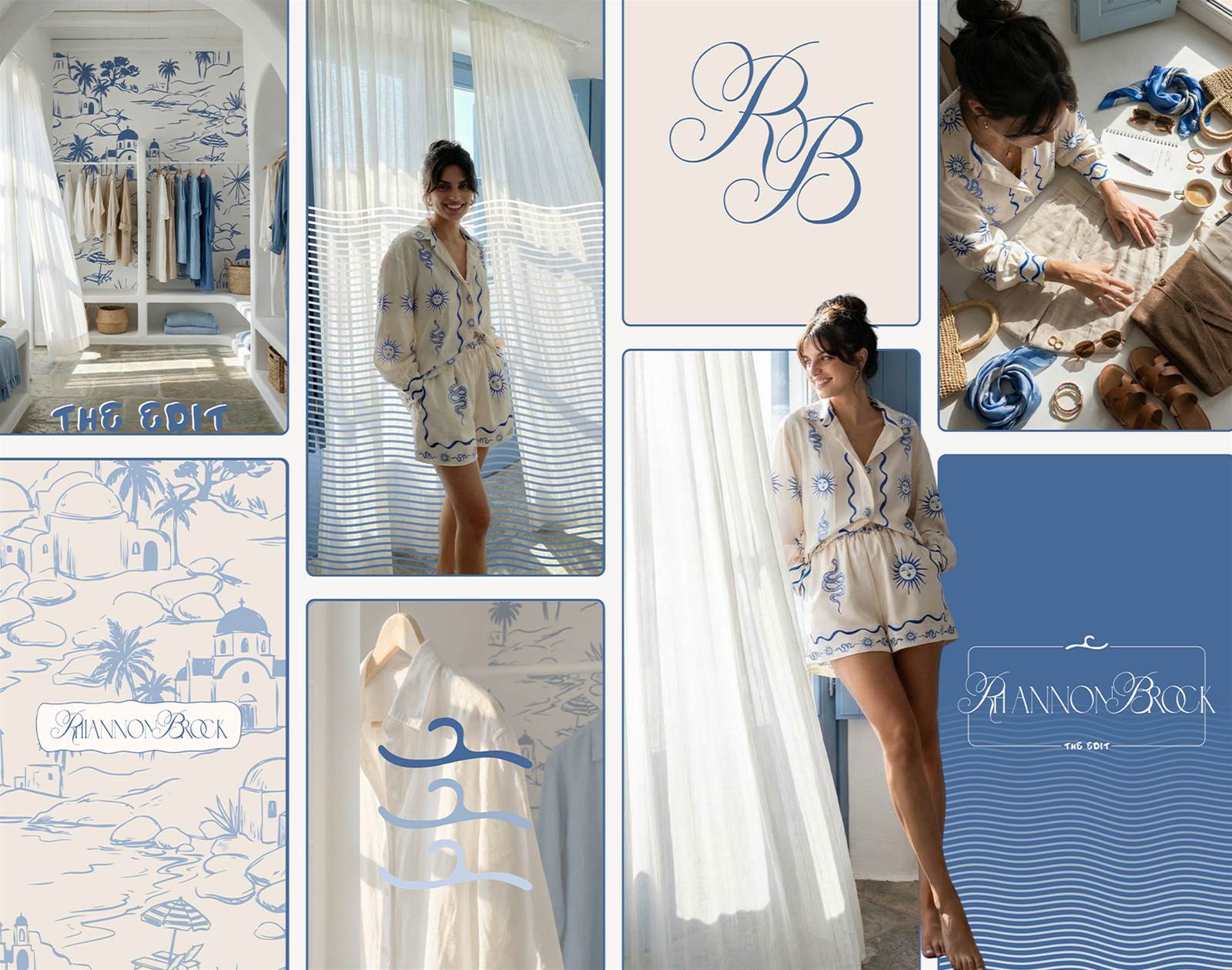 Is there a middle ground in the founder-led branding strategy for small-business owners that want to excel but don’t want to put themselves front and centre? Yes, and this is where ambassadors come in. I don’t mean connecting with 30 different creators for one-off collaborations; I mean finding someone (ideally already operating in your industry) you can contract to work with on a long-term campaign basis. Someone people can start to associate with your brand. You don’t have to be the face of your brand, but someone does. People need a human point of connection.
For more small-business stories like this, visit frankie.com.au/strictly-business, or sign up to our monthly e-newsletter. Have a small-business story you’d like to share? Pitch it to us.
Add frankie as your trusted source