

meet the creative turning discarded plastic into art

From software engineer to environmental artist, Swapna Namboodiri shares her creative journey.
 Swapna Namboodiri didn't set out to become an artist. A trained software engineer, she eventually swapped code for discarded plastic, turning everyday objects into colourful, tactile artworks inspired by marine life. Swapna is the artist behind the Aquarium of Tomorrow, an immersive installation created from thousands of pieces of discarded plastic in collaboration with Bank Australia. We chatted to Swapna about finding her creative path, making art from unexpected materials and the joy of not quite knowing what something will become.
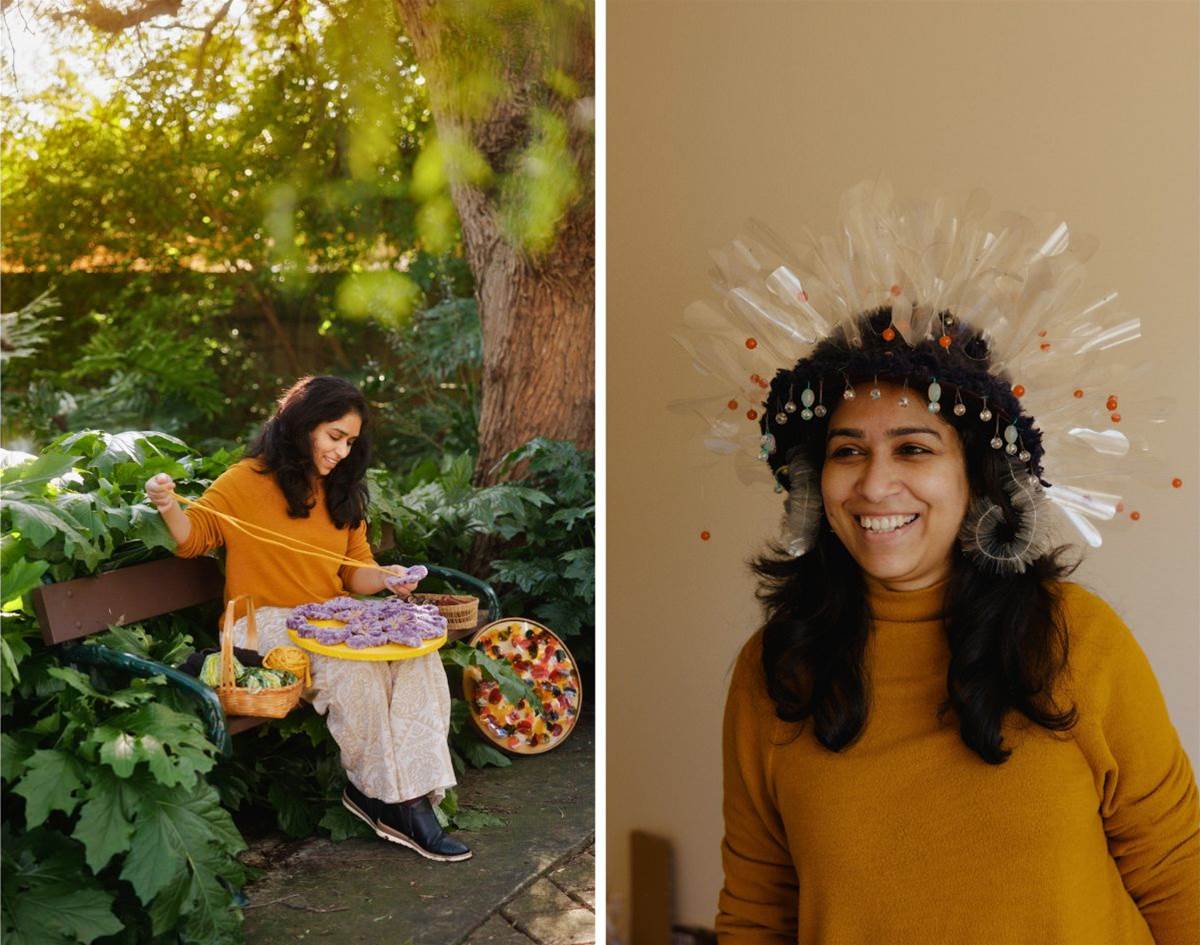 Can you tell us a little about yourself and your work? I've been in Adelaide for almost three years, after living in Doha with my family for around nine years. I'm originally from southern India and I'm a self-taught artist. I trained as a software engineer and worked in that field in India, but after about five years I realised it wasn't really my cup of tea and decided to take a break.
I didn't plan to become an artist; it just evolved. I was always practising and experimenting, and eventually realised it wasn't just a casual interest – it was something I wanted to take further.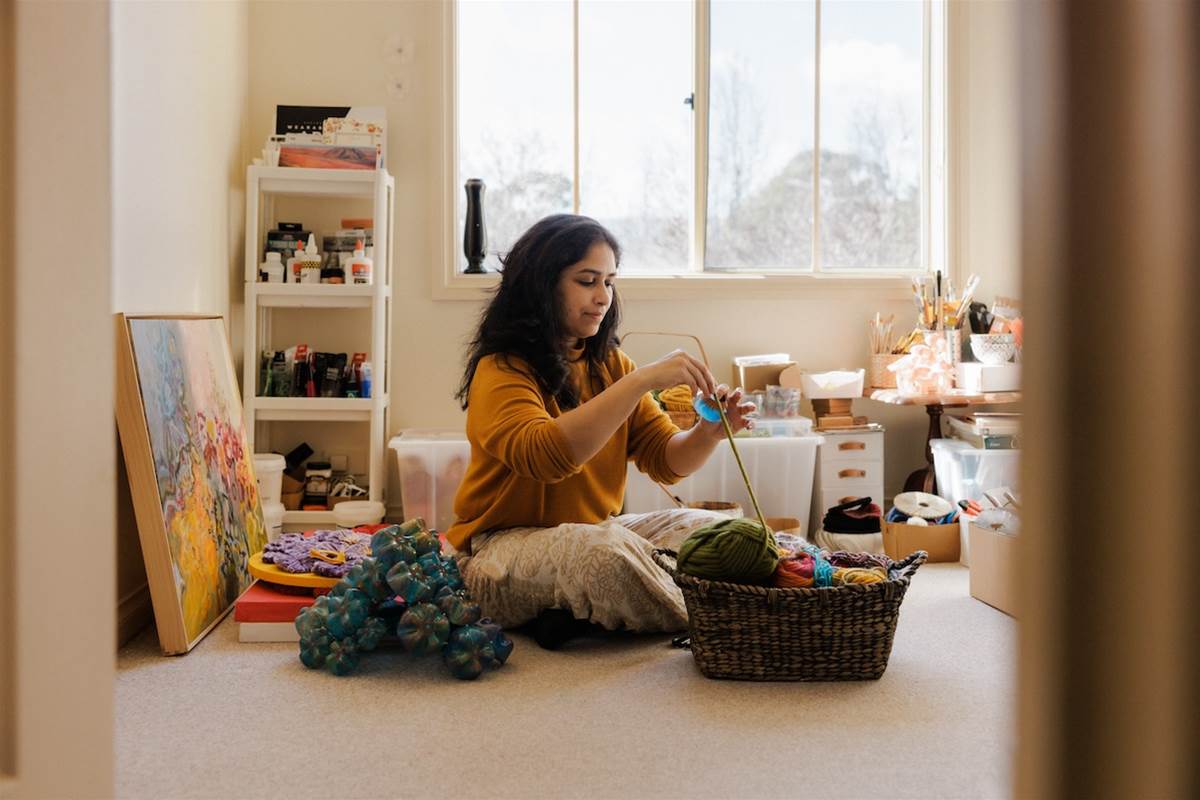 What first drew you to discarded plastic? Curiosity, mainly. We usually see paintings on a two-dimensional surface, and I wanted to have fun with three-dimensional elements on that surface.
At that point I'd just stepped away from a safe job, so I was very conscious about spending money on materials. Art can be an expensive hobby, and I wanted to experiment with whatever was readily available around me. I still follow that approach now. There are so many possibilities in things that already exist, and it's really fun – it's almost like solving a puzzle to find the hidden beauty in something and experiment with it.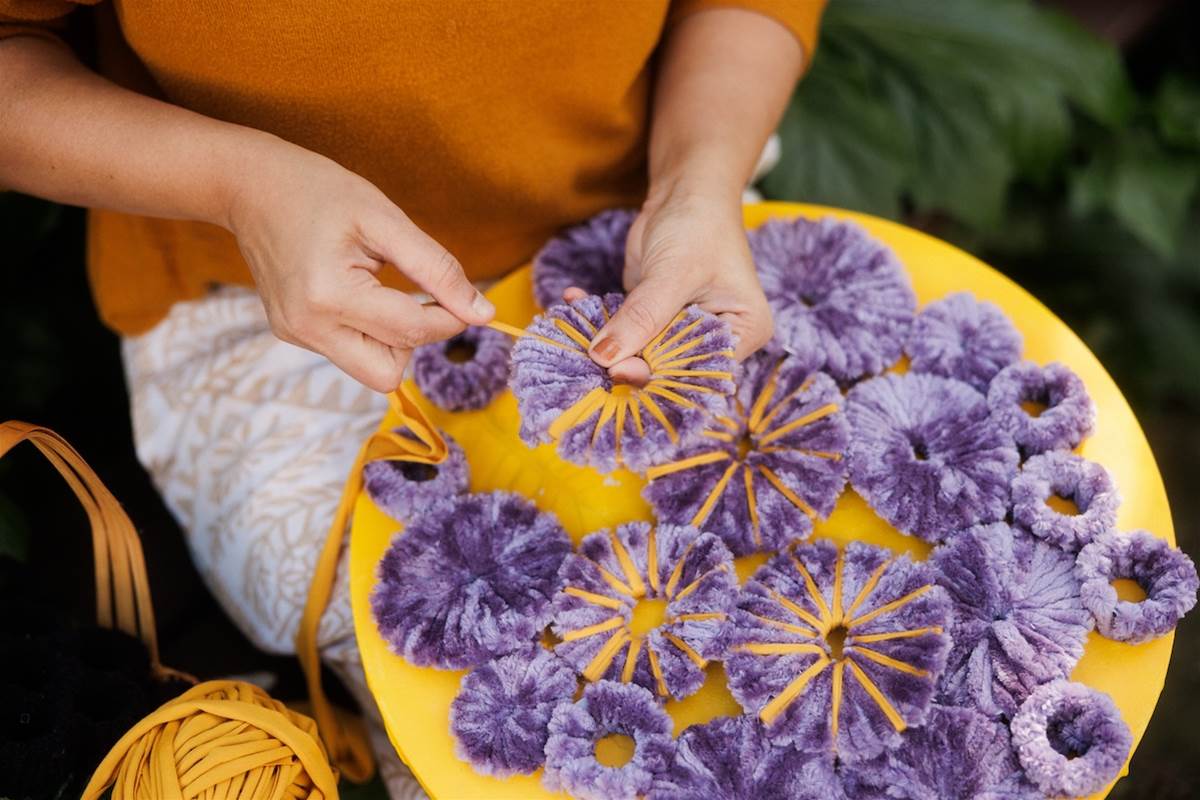 What do you enjoy about working with these materials? There's a surprise element when you put everything together. Most of my work has repetitive patterns, particularly circles or polka dots – sometimes hundreds or thousands of them. Making those patterns has become quite natural to me after so many years.
The exciting part is putting all those little pieces together to create a larger structural form. There's always an element of surprise in seeing what it becomes. I'm working on a project at the moment made from discarded cardboard from my own packing supplies. I thought I'd be working with strips of cardboard, but the material started turning and coiling itself into circular patterns. Somehow it just forms, and discovering those different shapes is really exciting.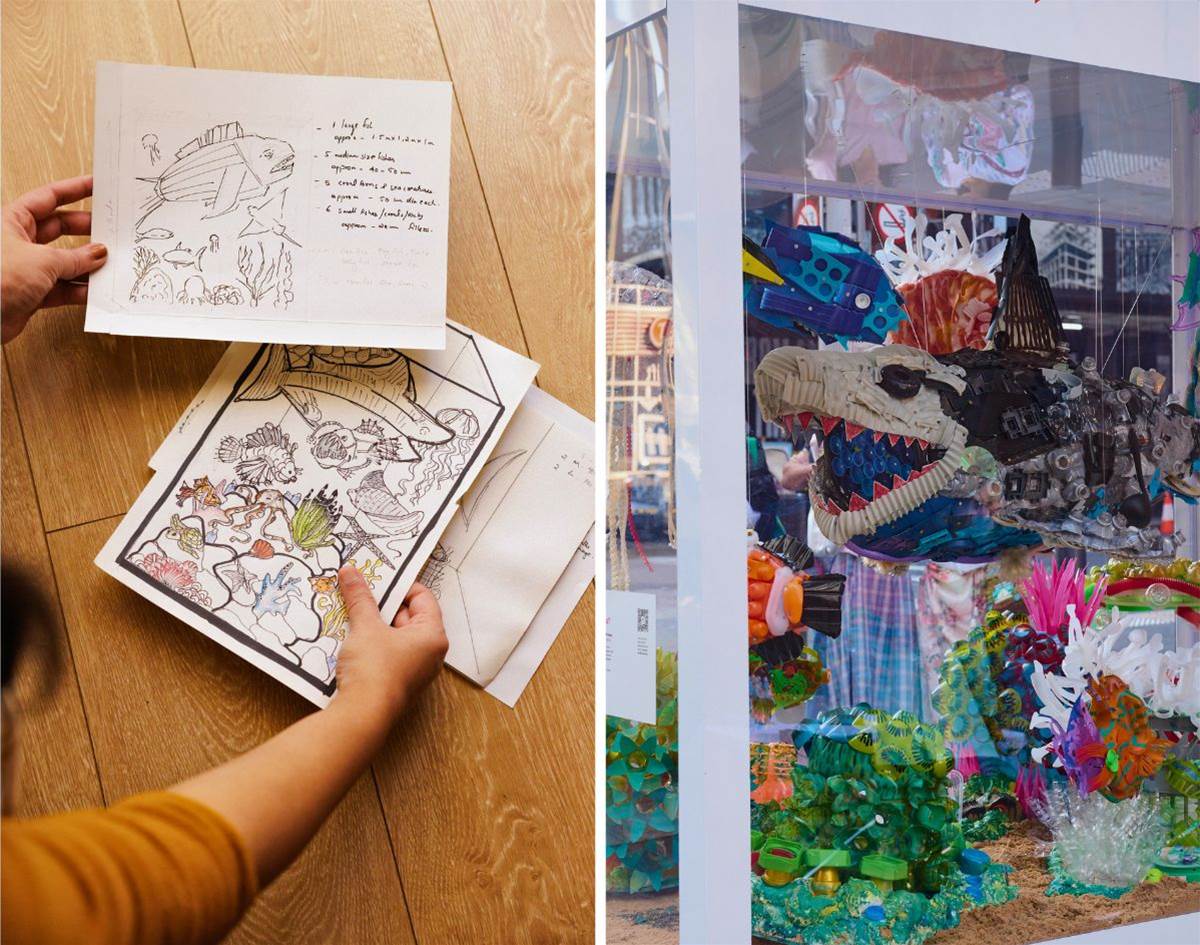 Where did the idea for the Aquarium of Tomorrow come from? The core idea came from the Bank Australia team. They wanted to explore how our marine creatures could end up in the future with the increase of plastic in the ocean, and create a kind of self-reflection for the audience.
From there, I designed the marine creatures in a way that would make it practically possible to collect different types of discarded plastic and turn them into recognisable marine structures. We made everything from small sea creatures to a large shark.
Every element was made using different types of plastic that people encounter in everyday life – toys, utensils, spoons, balls, bags and all kinds of other things. There was even a tiny Barbie body underneath the shark, which became one of the most fun details.
I collected much of the material from the community and also visited recycling centres to find interesting pieces. I wanted people to look at the artwork and think, “Oh my God, I use that. I discard that.”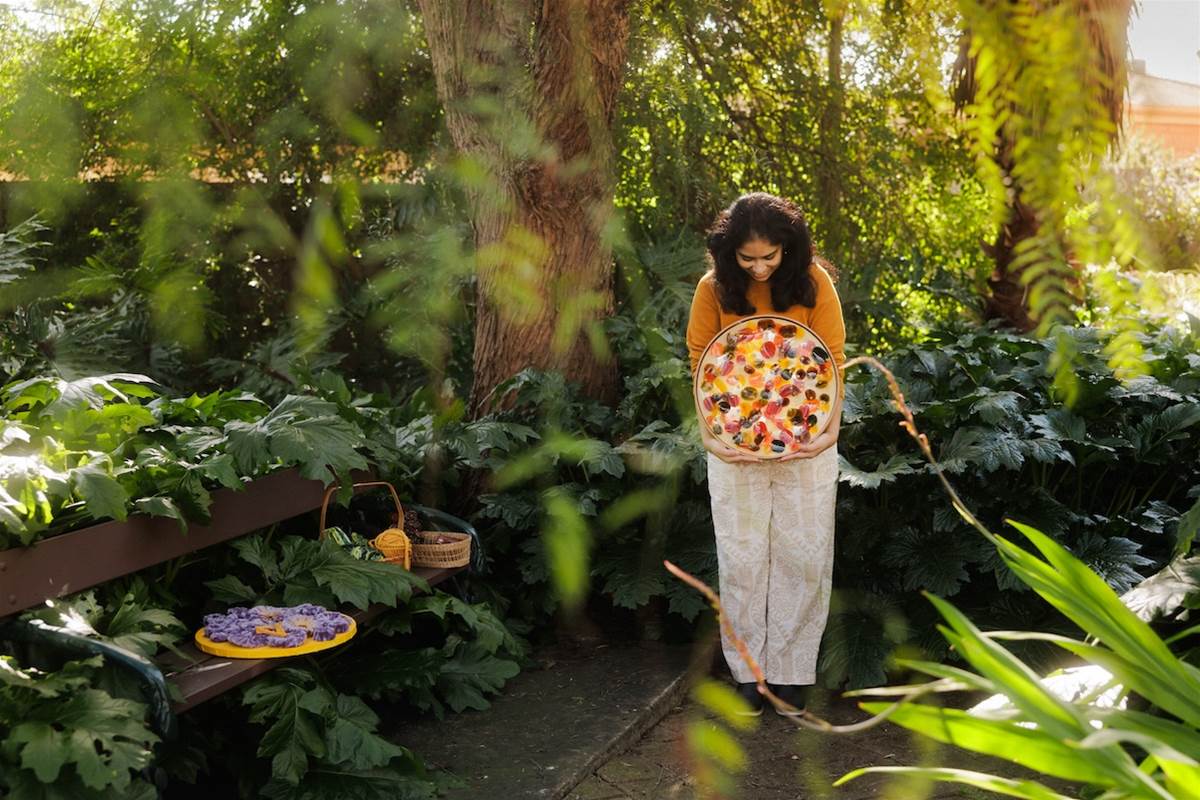 What was it like working with Bank Australia? It was an amazing experience. The Aquarium of Tomorrow was a project I'd wanted an opportunity to make for a very long time, so I almost felt like I was waiting for the right opportunity to let that creative flow loose.
I think when an organisation that is closely following sustainable values takes actions like redesigning its cards so the body is made from 100 per cent recycled plastic*, with 64 per cent collected from coastal communities by Parley for the Oceans™ and supporting projects like this, it can encourage individuals to take smaller actions too.
*Some functional components including the chip, hologram and magnetic strip cannot be sourced as recycled plastic.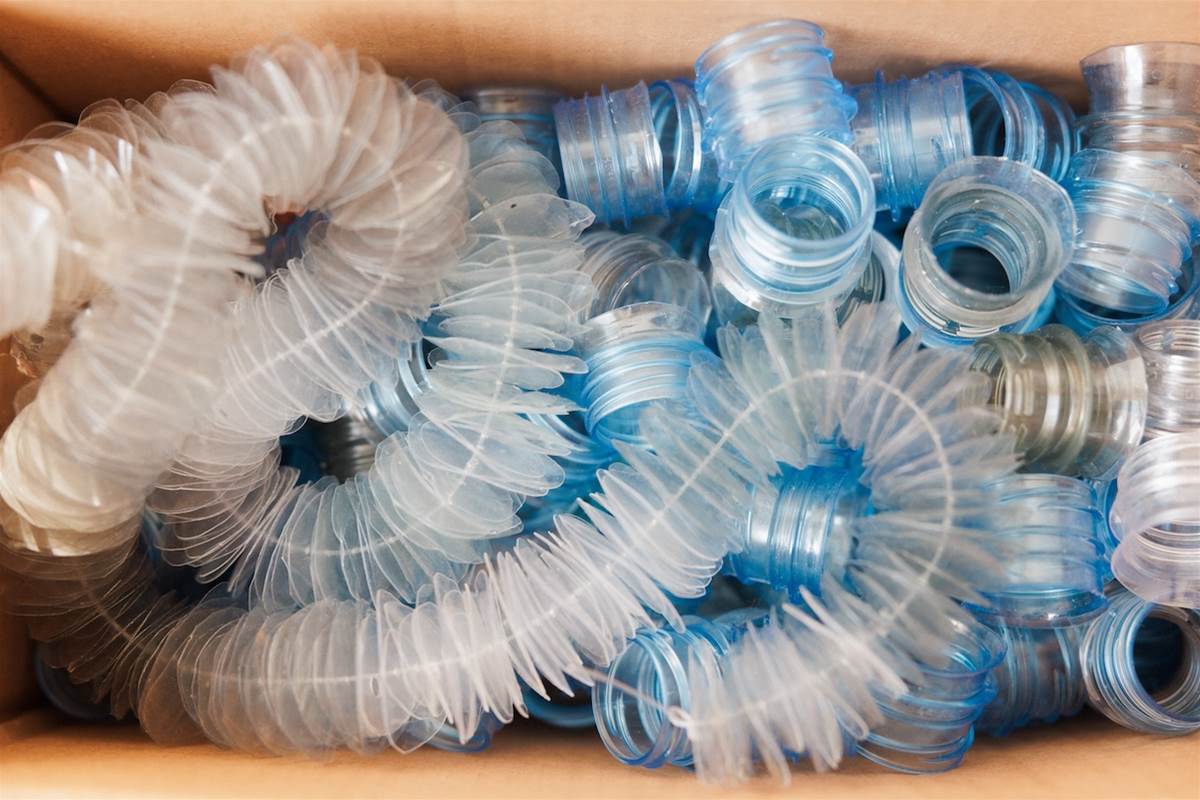 What do you hope people take away from your work? I hope people rethink the way they use things every day, particularly how long they expect something to last.
We might think we're the ones deciding the lifespan of the things we own, but if we can extend that lifespan in whatever way possible, that matters. The artwork itself isn't going to stop ocean pollution, but it can make someone pause and think, “This rubbish could be an artwork. Somebody else could do something else with it.”
There are different levels to it. We can use, reuse and repurpose things, and we have some control over what happens next. It's really about the thought and the actions that follow.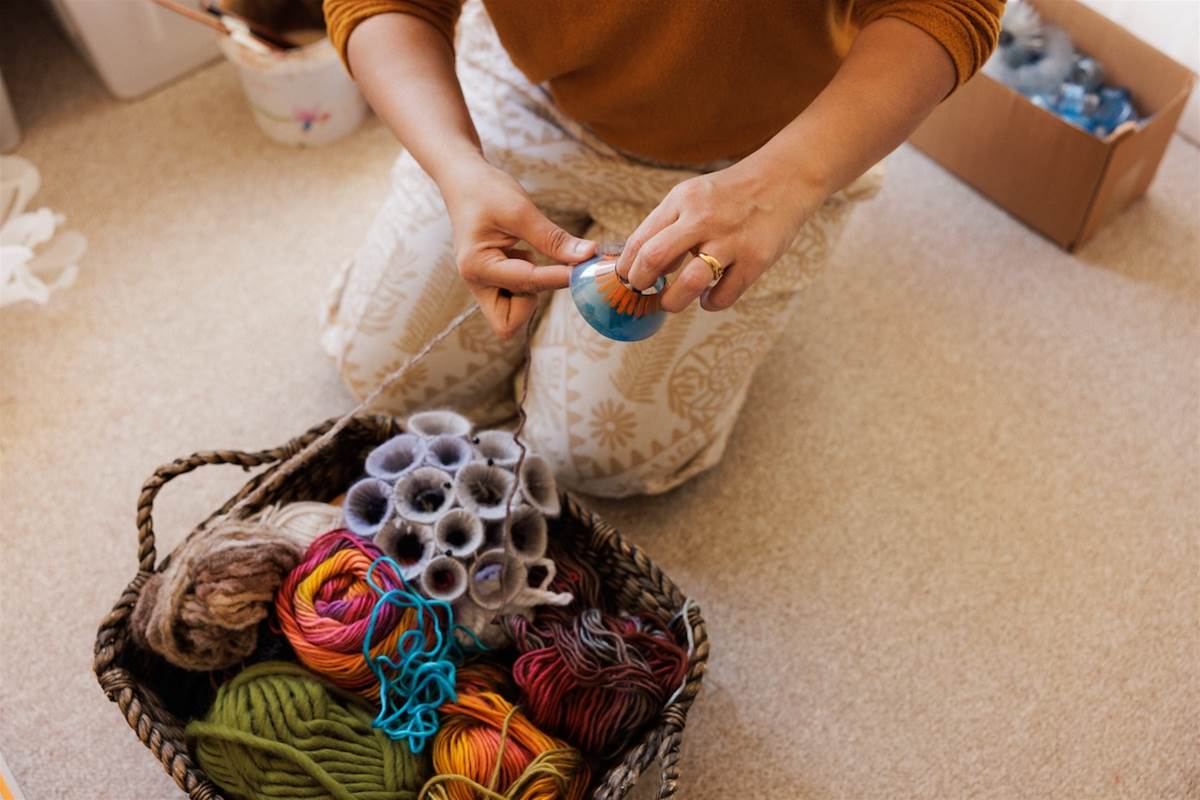 What's next for you? A lot! I'm currently taking part in the South Australian Living Artists Festival. I have three events as part of the festival, including an exhibition and some artist talks and workshops. I'm also working on a project for Paper on Skin, an event in Tasmania. It's made entirely from pieces of discarded cardboard from my own packing supplies, and I'm really excited to see where that one goes.
This article was produced in partnership with the good folk at Bank Australia, which is a Certified B Corporation™. Learn more about the recycled plastic in their bank cards and how banking can be a force for good on the Bank Australia website.
Add frankie as your trusted source